Friends Meeting House on Talbott Street, courtesy of the North Meadow Circle of Friends.
Before same-sex marriage was legally recognized across the United States in 2015, Quaker organizations in Indianapolis had upheld their roles as LGBTQ allies by marrying same-sex couples, like Mary Byrne and Tammara Tracy, in informal religious meetings. From their advocacy of the abolitionist movement to more modern issues of social justice, the Religious Society of Friends—or Quakers—have a unique relationship with marginalized communities. In Indianapolis, this relationship becomes even more intriguing when looking at Quaker connections to the LGBTQ community, specifically the activism of the North Meadow Circle of Friends, located at 1710 North Talbott Street, in the 1980s. Their meeting house served not only as a site for political engagement, but also as a location where same-sex couples could be wed long before same-sex marriage was legalized. The North Meadow Circle of Friends’ devotion to and involvement in issues central to the LGBTQ community provides a contrasting narrative to the prevailing one that all religious groups have historically opposed same-sex marriage.
Quakers believe God resides in every individual, providing them the ability to discern the will of God. They see each human life as possessing an unique worth, and they rely on the human conscience as the foundation of morality.[1] Throughout history, Quakers have sought to improve their own lives by placing an emphasis on education and the improvement of the lives of others. Friends have co-existed with Native Americans and supported the abolition of slavery. Activism involving abolitionism began with the adoption of strict policies regarding slavery, and by 1780, all Quakers in good standing had freed their slaves.[2] In addition, many Quakers’ homes, including that of Indiana residents Levi and Catharine Coffin, served as “stations” on the Underground Railroad.[3]
This legacy of embracing underrepresented communities is one reason many LGBTQ individuals in the 20th and 21st centuries have found acceptance in the Religious Society of Friends, including the North Meadow Circle of Friends. While generally the Quaker faith has a long history of inclusion, the religion itself has split over LGBTQ inclusion and issues. Some Quaker churches continue to view “the grouping of homosexuality and transsexuality with sexual violence and bestiality” and will only acknowledge a marriage between a man and a woman.[4] This has caused a divide in the Quaker community, as other Quaker churches view being an LGBTQ ally as a foundation of their faith. The North Meadow Circle of Friends has chosen to position itself as one of those allies through association with national queer-friendly organizations and conferences.
“’March On Washington’ April Meeting Report,” The New Works News 6, no. 8 (May 1987): 6, accessed Chris Gonzalez GLBT Archives.
One such organization is the Friends for Lesbian, Gay, Bisexual, Transgender, and Queer Concerns (FLGBTQC), a North American Quaker faith community that gathers twice yearly and is a proponent of Quaker support for the LGBTQ community. The FLGBTQC has collected minutes of same-sex marriages and other commitment ceremonies from across the nation, one of which happens to be of the North Meadow Circle of Friends. On April 12, 1987, the North Meadow Circle of Friends wrote to the FLGBTQC that they “affirm the equal opportunity of marriage for all individuals, including members of the same sex.”[5]
In addition to the official beliefs expressed by the North Meadow Circle of Friends in Quaker conferences, their community involvement during the 1980s and beyond demonstrates their commitment to marginalized communities. The Friends engaged in political activism by offering their meeting house as a place in which to mobilize and plan protests. The location on North Talbott Street is mentioned several times in articles in The New Works News, a gay Indianapolis periodical, as a location for meetings in preparation for a “March on Washington” to protest violence against the LGBTQ community.[6] The planning committee held at least two meetings there in the course of organizing the march, which was broadly intended to “show that ‘we are out of the closet and we are not going back.’”[7] In addition to using the meeting house for activism, Indianapolis Friends published the phone numbers of Quaker organizations, like the Friends for Lesbian & Gay Concerns, in gay business and service directories.[8] This Quaker support network appeared numerous times in LGBTQ directories around the early 1990s, indicating the connections between the Friends and the larger LGBTQ community in the city.
“Quaker Group Leaves Church Over Lesbian Marriage,” The New Works News 8, no. 1 (October 1988): 6, accessed Chris Gonzalez GLBT Archives.
At times, the North Meadow Circle of Friends’ devotion to the LGBTQ community superseded even their own relationships with Quaker organizations. The Friends at Talbott Street chose to withdraw from the Western Yearly Meeting after controversy followed the 1987 wedding for two women at the Indianapolis meeting house. Since North Meadow refused to rescind their statement on same-sex marriage or promise not to hold future same-sex weddings, they chose to withdraw from the meeting to prevent further fractures among the Friends.[9] The 2004 wedding of Mary Byrne and Tammara Tracy, a same-sex couple married at an Indianapolis Quaker meeting, would reaffirm support for the LGBTQ community and the recognition of same-sex relationships.
An interview conducted by the Indiana Historical Society illuminates Mary Byrne’s and Tammara Tracy’s connection to the Quaker church. Tracy recalled learning that Byrne was a Quaker early on in the relationship, explaining “I kept asking her to take me to a Quaker meeting because they are a little different than just going to a church service where you can walk in the door and be anonymous and sit in the back pew and do that kind of thing.”[10] Tracy described her first meeting as “a really big click,” and recalled that it was a “wonderful experience because it truly is the first religious experience in which every single part of myself felt welcomed. Not tolerated, not passed over, but actually, genuinely welcomed.”[11] Through the Quaker meetings, Tracy and Byrne were able to get to know each other better and, according to their recollections, they even attended a Quaker lesbian conference.
After being together for almost four years, in 2004 they asked to be married at their Quaker meeting. Byrne explained that a “Quaker meeting is un-programmed . . . whoever wanted to speak during it could speak and then at some point we got up and spoke our vows to each other and then we had a party.”[12] As the wedding was not legally recognized, all 135 attendees signed a certificate saying that the marriage occurred. After a federal judge ruled that Indiana’s ban on gay marriage was unconstitutional in 2014, the couple legalized their marriage.
Tammara Tracy holds up her wedding license as her wife Mary Byrne (back) is congratulated inside the City County Building, June 25, 2014, accessed IndyStar.
While many churches still grapple with whether to accept or wed LGBTQ individuals, decades ago the North Meadow Circle of Friends was unwavering in its support of both. In fact, North Meadow demonstrated how a church could actually enrich same-sex relationships. For the queer community, Indianapolis’s Circle of Friends provided another safe or third space environment, in addition to bars and public parks, in which they could find acceptance and gain equal recognition of their rights and relationships.
[6] “’March on Washington’ April Meeting Report,” The New Works News 6, no. 8 (May 1987): 6, accessed Chris Gonzalez GLBT Archives.
[7] “The ‘March’ Is Thus Far A ‘Stroll:’ ‘A Report on the March on Washington Committee,’” The New Works News 6, no. 5 (February 1987): 12, accessed Chris Gonzalez GLBT Archives.
“The ‘March on Washington’ Gains Momentum,” The New Works News 6, no. 6 (March 1987): 5, accessed Chris Gonzalez GLBT Archives.
“’March On Washington’ April Meeting Report,” The New Works News 6, no. 8 (May 1987): 6, accessed Chris Gonzalez GLBT Archives.
[8] “NWN’s Gay Business & Service Directory,” The New Works News 10, no. 2 (November 1990): 21, accessed Chris Gonzalez GLBT Archives.
“NWN’s Gay Business & Service Directory,” The New Works News 10, no. 4 (January 1991): 16, accessed Chris Gonzalez GLBT Archives.
[9] “Quaker Group Leaves Church Over Lesbian Marriage,” The New Works News 8, no. 1 (October 1988): 6, accessed Chris Gonzalez GLBT Archives.
[10] Mary Byrne and Tammara Tracy, interview by Mark Lee, January 17, 2015, 57, Indianapolis/Central Indiana LGBT Oral History Project, Indiana Historical Society.
The Indiana woman’s suffrage movement was not a monolith. Its supporters held a spectrum of beliefs formed from their different backgrounds and perspectives. Nowhere was this more apparent than in rifts over strategy. Hoosier suffragists all believed women should have the vote, but clashed over the best course of action for winning it.
By 1912, Indiana’s organizations most assiduously acting in the political arena were the Woman’s Franchise League (WFL) and the Equal Suffrage Association (ESA). Both groups had strong leaders and experience with organizing, lobbying, and publicizing their views, meetings, and arguments for suffrage. Their work had recently become more urgent as Governor Thomas Marshall proposed a new, increasingly-restrictive state constitution that would further cement women’s disenfranchisement. They needed to influence the new 1913 Indiana General Assembly to create equal suffrage legislation before it was too late. They disagreed, however, on where to start. [1]
On the heels of its successful state convention in 1912 and success organizing new branches (including African American and labor branches), the ESA was well-positioned to unite the movement. Dr. Hannah Graham rallied ESA members behind the “Woman’s Declaration of Independence,” which called on women to break ties with any politician not willing to make a public declaration of their support for women’s suffrage. Suffrage took precedent over political alliances. [2]
Indianapolis News, June 6, 1912, 12, Newspapers.com
The WFL also had a banner year in 1912. Prominent members traveled the state in automobile tours, handing out literature and reaching women in smaller towns. They organized high profile events that garnered press attention and signatures for suffrage petitions. And the WFL took on the important work of convincing women who were indifferent to suffrage that they could improve their everyday lives, their children’s schools, and the health of their communities with the vote. Despite the shared goals of the ESA and the WFL, they took opposing positions on a bill introduced by Indiana Senator Evan B. Stotsenberg in January 1913 that proposed granting women partial suffrage to vote in school board elections. [3]
The clash between the ESA and WFL over this bill embodied a major conflict within the larger suffrage movement. Should suffragists accept partial suffrage to get their foot in the door and later work for full suffrage or demand full suffrage as their inalienable democratic right? While both Indiana suffrage organizations had taken different stances on this issue previously, in January 1913, the ESA supported the partial suffrage bill, while the WFL opposed it as inadequate. [4] The debate between ESA and WFL leaders before the Senate committee on rights and privileges got . . . heated.
ESA leader Dr. Hannah Graham was an outspoken proponent of full suffrage, but put her ideological stance aside. She felt like Hoosier women couldn’t miss the opportunity that this bill afforded. According to the Indianapolis Star, ESA members voted to support the partial suffrage bill because “such franchise is as much as can be expected at this time.” [5] Simply put, a little suffrage was better than none and might help in garnering full suffrage down the road.
WFL leaders vehemently disagreed. Digne Miller noted first that the bill would only grant this partial suffrage to women in Indianapolis and Terre Haute – more a fractional suffrage bill than a partial one. Dr. Amelia Keller expressed her fear that the bill could actually hurt the larger movement. [6] Dr. Keller argued:
If that bill goes through it will be immediately sent into the courts on protest of being unconstitutional and then when the vote for full suffrage really comes we will receive our answer, ‘O that question is now in court. Wait until that is settled and we’ll see about it then.’ [7]
In fact, some WFL members thought that delaying the full suffrage vote was the senator’s reason for introducing the bill in the fist place. Sen. Stotsenberg had also introduced a full suffrage bill that would have had to pass two legislative sessions and then go to a statewide referendum, a process that would take years. So it was not entirely unreasonable to think that he wanted to kick the problem down the road. [8]
Even within the organizations, there was disagreement. Prominent league member Belle Tutewiler broke with her WFL colleagues to support the bill. Her argument in favor of partial suffrage was to use this limited franchise to pry open the door of full suffrage. Her valid point may have been overshadowed by her fiery language. She called the league’s opposition “childish” and stated:
It is mere child’s play to say that if we can not get all, we will take nothing. I think it would be better to take school suffrage now and use that as an entering wedge for full suffrage later. [9]
Muncie Star Press, October 21, 1912, 3, Newspapers.com
As discussion continued, the women’s language grew more contentious. In the midst of the discussion, Elizabeth Stanley of Liberty threw open a suitcase “scattering yards and yards of cards bearing a petition for full suffrage” and “ridiculed the idea of using school suffrage as a wedge.” [10] The women exchanged more heated words before the ineffective meeting was adjourned and the partial suffrage bill abandoned.
The Indianapolis Star clearly delighted in the drama. The newspaper devoted long articles to the debate, written in a patronizing tone. Front page headlines read:
Suffrage Hosts Scorn Offerings
Resentful Women in Public Meeting Condemn Bill to Give Vote on Schools
“Childish” Starts Storm
Accusation from Lone Defender of Measure Brings Heated Denial of “Imbecility” [11]
Indianapolis Star, August 2, 1912, 7, Newspapers.com.
This public disharmony was not a good look and both organizations knew it. The WFL and the ESA were experienced publicists and aware that they needed a major public event to draw positive press coverage. The groups had to come together, if only briefly, and present a united front before the General Assembly. The WFL took the lead. The group organized a march to the Indiana statehouse for March 3, 1913, the same day 5,000 suffragists marched through the nation’s capital. [12] This was the perfect opportunity to present a united front and ESA leader Dr. Hannah Graham contacted the WFL asking to join forces. The WFL agreed. Just two months after their public disagreement over partial suffrage, the groups would march shoulder to shoulder before the Indiana General Assembly. [13]
It’s unclear if Black suffragists joined the march. African American ESA Branch #7 wouldn’t be organized until that summer. Newspapers catering to a white audience made no mention of their participation and the Indianapolis Recorder seemed to have been frustrated by the lack of Black suffrage information. A vexed Recorder writer, who went only by her first name of Dorothy, wrote on March 8:
What part did the colored women take in the suffrage movement at Washington last Monday? What part are they taking at any time? What are they, women or mice? Let us hear from you. Speak up! [14]
It is likely that Black suffragists at least knew about the march. The Woman’s Civic Club was an African American organization that worked to oppose race and gender discrimination in 1913. The Indianapolis branch had ninety-one members and promoted their events with the words of W. E. B. DuBois: “Protest, Reveal the truth and refuse to be silenced.” [15] The club had recently hosted Mary Tarkington Jameson at their regular meeting. Jameson was a prominent WFL member and spoke to the Woman’s Civic Club prior to departing for Washington D.C. to represent Indiana in the suffrage parade. The Recorder reported that Jameson delivered a “splendid address on Woman’s Suffrage” for the club. [16] It seems unlikely that Jameson would not have talked about current issues and upcoming events. Whether the Black suffragists in attendance would have been welcomed or felt safe in attending, would have been another matter. Unfortunately, this information is absent from sources.
On Monday afternoon, March 3, 1913, Hoosier suffragists from across the state, 500 strong, marched into the statehouse. [17] This was not a celebratory parade, nor was it a raucous demonstration. It was a protest. The suffrage bills being considered by the General Assembly were unlikely to pass “as the house of representatives was known to be unfriendly to equal suffrage,” and the Senate had already rejected at least one of the pending propositions earlier in the day. The suffragists were there not because they thought any “immediate good” would come from the day’s session. [18] Five hundred women marched into their capitol that day to make their presence known. They were there to “work on the legislature,” to show them that this was not a fringe movement, that a large number of Hoosier women demanded the vote. [19] WFL president Dr. Amelia Keller stated,
We wanted to show the legislators that we are in earnest and that ‘we’ means not a handful of enthusiasts, but hundreds of women. [20]
A pro-suffrage stance was edging towards the mainstream in 1913 but needed a push. It wasn’t a view that needed to be kept secret like it was when the Indianapolis Equal Suffrage Society first met conspiratorially in 1878, but nor was it ubiquitous. [21] The more conservative members of the Indiana Federation of Clubs, for example, still had not endorsed suffrage at the time of the march, though they would later that year. [22] Suffrage in Indiana was at a tipping point and so they marched.
Indianapolis Star, March 4, 1913, 3, Newspapers.com
Several unlikely suffrage measures were before the Indiana General Assembly on the day of the march. Representative Earl K. Friend had introduced a resolution to amend the constitution, removing the word “male.” This resolution was pending in the House Judiciary Committee B, also known as the “graveyard committee” because it is where dead bills were buried. There was no hope for the suffragists there. The identical resolution introduced by Senator Harry E. Grube had already failed in the Senate that morning. [23]
The United Press wire service reported that several suffrage leaders had also been working with Rep. Friend on an amendment to the bill introduced by Rep. Stotsenburg, which also aimed to amend the constitution to remove the word “male.” Some of the women may have warily hoped that this proposal would gain support, but were not expecting any immediate results. Even if the bill passed, it had to be approved again at the next session in 1915, and then voted on in a statewide referendum in 1916 at the earliest. [24] Hoosier suffragists had lost this battle before, celebrating the passage of suffrage bills at one session, just to be disappointed at the next. [25] The women marching in the statehouse that day would not have had anything to celebrate, even if the bill passed, because they would have been made again to wait for equality. Their spirit would have been somber and determined, not hopeful. Their solemn march matched the moment.
The 500 Hoosier suffragists walked through the statehouse stopping to pin suffrage ribbons on a few willing lawmakers. Governor Samuel Ralston “cheerily” accepted a ribbon as did the legislators representing the Progressive Party, the only party to add a suffrage plank to their platform. [26] Most Indiana lawmakers did not take a ribbon, and pages mocked the women’s efforts. [27]
Indianapolis News, March 1, 1913, 11, Newspapers.com.
Indianapolis newspapers either misunderstood the suffragists’ goals or reporters intentionally decided to recast the scene through a condescending lens. The Indianapolis Star called their attempt to distribute ribbons to lawmakers “a game of hide and seek.” [28] The newspaper claimed that prominent writer and WFL leader Grace Julian Clarke “moaned in grief” because her husband, Senator Charles B. Clarke refused a ribbon. [29] The Indianapolis News was even more patronizing.
The News sarcastically described the suffragists as wearing “warpaint of fine feathers and pretty gowns” and commented on the group’s choice to walk up the stairs en masse instead of splitting up to take the elevators. [30] The News claimed that one woman stated that by taking the stairs they hoped “the men will see that we are not afraid of some of the hardships,” but that if they gained the vote “one of the first things that we will do will be to add more elevators to the statehouse.” [31] This quote is dubious in authenticity, and the jab was certainly patronizing, but all in all, a comparatively harmless aside. The rest of the News article, however, must have been infuriating to these politically savvy suffragists.
The Indianapolis News claimed that while the suffragists marched around the statehouse, they had no idea what legislation was pending, or that the suffrage amendments were being dismissed. The newspaper claimed that the suffragists were in the chambers when Sen. Grube introduced the resolution calling for the constitutional amendment but that “it was done so unobtrusively that the women did not seem to know that it had been done.”[32] And about the identical resolution introduced in the House by Rep. Friend, the writer scoffed:
The women had hardly been out of the state house more than an hour, however, when the house judiciary committee B voted in favor of killing the Friend house resolution . . . [33]
In case the newspaper’s readers missed this claim of female ignorance, the writer drove home the point:
Although hundreds of suffragists were jammed in the senate when Senator Grube introduced a resolution providing for an amendment to the state Constitution to allow women suffrage, not one of them seemed to realize what ‘was doing.’ No demonstrations of any sort took place. [34]
This claim is certainly false. First, these suffrage leaders were the most prominent women in the state. Indiana legislators were their friends, husbands, and family members. Second, the leaders of the WFL and ESA kept current on political issues related to suffrage at the state and national level. They wrote articles, gave speeches, organized meetings, and gathered signatures for petitions based on this knowledge. Most importantly, they had been working with members of the General Assembly on the legislation pending that day. The UP reported:
The leaders of the women planned to have Friend introduce a new resolution in the form of an amendment . . . [35]
They didn’t just know about the resolution, they were integral in its introduction to the legislature.
They knew the General Assembly would fail them that day. Their march was a protest, and this is why they chose silence. They came to make it clear to lawmakers that large numbers of the state’s most upstanding citizens were watching them. The General Assembly would have to face them before voting to continue to deny them their right as citizens. The UP reported that “dignity marked the demonstration,” as women representing “the best type of Indiana’s womanhood” gathered in the statehouse corridors.[36] They silently filed first into the House and then to the Senate. The UP reporter continued,
It was a silent demonstration. The leaders of the women attempted to make no speeches. They merely hoped that the number of mothers, wives and daughters, society leaders, professional women and working girls would cause the legislature to think about woman suffrage. [37]
The Indianapolis newspapers interpreted or framed their silence as ignorance, but it was the opposite. The suffragists knew that March 3, 1913 was not their day, but they made it clear that they would not stop their work until it was.
Indianapolis News, March 4, 1913, 4, Newspapers.com.
They did, in fact, achieve their goal in marching. The ESA and WFL presented a united front, countering the picture painted by their clash over partial versus full suffrage months earlier. All of the newspapers, even the condescending ones, that covered the march noted the joint appearance by the state’s major suffrage organizations. The UP reported that the event “was said to evidence the friendly relations between the two societies.”[38] Dr. Graham explained that this show of solidarity meant that “the legislators can no longer doubt the sincerity of the request of the women.” [39]
While Hoosier suffragists had a long road ahead of them, organized protests like this one, combined with lobbying, street meetings, sharp speeches, and savvy publicity stunts, helped to move public opinion and force lawmakers to give in to their demands. The press painted them at times as flighty, catty, or any other manner of stereotype, but their actions showed otherwise. While their methods sometimes produced discord between them, it was through the constant political work of these knowledgeable, experienced, calculating suffragists that they won for themselves the vote. As they marched on the statehouse, they chose silence, but through their numbers, dignity, and righteousness, they roared for the vote.
Notes and Sources
[1] Anita Morgan, We Must Be Fearless: The Woman Suffrage Movement in Indiana (Indianapolis: Indiana Historical Society Press, 2020), 101, 111.
[2] Ibid., 112-13, 117-18; Jill Weiss Simins, “‘Suffrage Up In The Air:’ The Equal Suffrage Association’s 1912 Publicity Campaign,” accessed Untold Indiana.
[3] Anita Morgan, “Taking It to the Streets: Hoosier Women’s Suffrage Automobile Tour,” accessed Untold Indiana. Prior to the discussion, Senator Stotsenberg withdrew his school suffrage bill and replaced it with a bill that would allow women to serve on school boards but not vote in the elections. Despite this change, the suffragists debated partial school suffrage versus full suffrage.
[4] Morgan, We Must Be Fearless, 118-19.
[5] “Bill Is Approved: Equal Suffrage Association Board Favors School Franchise Measure,” Indianapolis Star, January 25, 1913, 9, accessed Newspapers.com.
[6] “Suffrage Hosts Scorn Offering,” Indianapolis Star, January 25, 1913, 1, accessed Newspapers.com.
[7] Ibid. [8] Ibid. Stotsenberg’s full suffrage bill, even if it passed in 1913, would have had to pass again in 1915, and then go to a statewide referendum in 1916 or 1917. [9] Ibid. [10] “Women Divided on Ballot Bill,” Indianapolis Star, January 28, 1913, 6, accessed Newspapers.com.
[11] “Suffrage Hosts Scorn Offering,” 1.
[12] “Woman’s Franchise League Will Go to Statehouse Monday and Ask Suffrage Amendment,” Indianapolis News, March 1, 1913, 11, accessed Newspapers.com.
[13] Morgan, 122.
[14] Dorothy, “Of Interest to All Women,” Indianapolis Recorder, March 8, 1913, 2, accessed Hoosier State Chronicles.
[15] “Woman’s Civic Club Notes,” Indianapolis Recorder, March 8, 1913, 2, accessed Hoosier State Chronicles.
[16] “Woman’s Civic Club Notes,” Indianapolis Recorder, March 1, 1913, 2, accessed Hoosier State Chronicles.
[17] “500 Suffragists Invade Capitol,” Indianapolis Star, March 4, 1913, 3, accessed Newspapers.com.
[18] “Indiana Women Work on the Legislature,” Huntington Herald, March 3, 1913, 1, accessed Newspapers.com. The Herald ran the article received from the United Press wire service.
[18] Ibid.
[19] Ibid. [20] “500 Suffragists Invade Capitol,” 3.
[21] Morgan, 62.
[22] Ibid., 95.
[23] “Indiana Women Work on the Legislature,” 1.
[24] Ibid.
[25] Morgan, 75. See Morgan for the political tricks that killed a suffrage bill in 1881 only to disappear from consideration in 1883.
[26] “500 Suffragists Invade Capitol,” 3.
[27] Ibid.
[28]Ibid. [29] Ibid.
[30] “Assembly Besieged by Nearly 500 Women,” Indianapolis News, March 4, 1913, 4, accessed Newspapers.com.
[31] Ibid.
[32] Ibid.
[33] Ibid.
[34] Ibid.
[35] “Indiana Women Work on the Legislature,” 1.
[36] Ibid.
[37] Ibid. [38] Ibid.
[39] “500 Suffragists Invade Capitol,” 3.
By the start of the twentieth century, Hoosier suffragists were experienced political actors. They had spent decades exerting pressure on public officials to end discriminatory practices against women and lobbying for the vote. They delivered speeches and petitions to the Indiana General Assembly and the United States Congress. They marched, organized, lobbied, and strategized. But their success was limited because of one infuriating Catch-22: the women trying to gain the vote were often ignored by politicians because they were not voters. It became clear that they needed to change public opinion on a grand scale. They did this through broad public actions like demonstrations and parades, but they were not above the occasional publicity stunt.
During the summer of 1912, the women of the Equal Suffrage Association (ESA) had become “masters of publicity,” according to historian Dr. Anita Morgan.[1] The stakes were high. Governor Thomas Marshall was attempting to introduce a new state constitution with stricter voter requirements that would continue to exclude women from the ballot box. In response, the ESA worked to expand its organization, adding labor and African American branches, and reach women across the state.[2] In the spring and summer of 1912, during the weeks leading up to the state convention, the ESA got especially innovative.
Indianapolis News, January 11, 1912, 3, Newspapers.com.
In May, physician and ESA leader Dr. Hannah Graham of Indianapolis invited sociologist and suffrage lecturer Elizabeth N. Barr of Topeka, Kansas to speak at an upcoming meeting. Barr planned to deliver her speech, “Active and Passive Opposition to Suffrage.” Barr hoped this would draw some anti-suffragists to the meetings as she was “anxious to debate with some person who is opposed to woman suffrage.”[3]
Indianapolis Star, August 2, 1912, 7, Newspapers.com.
Determined to draw press attention to this important talk, Dr. Graham came up with a creative strategy. She proposed they charter a hot air balloon to carry Barr high above Indianapolis and drop suffrage buttons to curious onlookers below. Barr agreed to the stunt, “declared that all true suffragists are ‘game,’ and was glad to prove the contention to the public.”[4]
Dr. Graham and other ESA leaders followed the balloon through the city in a parade of automobiles, drawing even more attention to their campaign. Her strategy worked and the press reported widely on the “Balloon Jaunt,” as the Indianapolis Star called it.[5] Fortunately, the stunt didn’t overshadow their message as newspapers reported on the upcoming meeting and Barr’s speech, as well as Graham’s goals with the airdrop:
Dr. Graham said the association encouraged the flight in order to show that woman was capable of entering any sphere of life, even a high one.[6]
Interestingly, the balloon, the Duesseldforfer II, was donated for the trip by the Indianapolis Brewing Company. This is notable as some suffrage organizations were also prohibitionists, an alliance that had regularly hurt the suffrage cause throughout Indiana history. The ESA was likely making a public statement that they were working only for the vote not for prohibition. They likely hoped this public collaboration with a brewing company would draw people to their cause who supported women’s rights and enjoyed their beer.
“The Successful Start for Westminster,” photomechanical print, Miller NAWSA Suffrage Scrapbooks, 1897-1911, Rare Book And Special Collections Division, Library of Congress.“Mureil Matters,” photomechanical print, 1909, NAWSA Suffrage Scrapbooks, 1897-1911, Rare Book And Special Collections Division, Library of Congress.
Dr. Graham and ESA leaders were evidently studying the tactics of other suffrage organizations around the globe, as there were a few recent precedents for the balloon stunt. In 1909, Australian-born British suffragist Muriel Matters chartered an airship (similar to a blimp) to fly over West Minster during a procession of the members of Parliament led by King Edward VII. Her balloon, branded with a large “Votes for Women,” was blown off course and did not make an appearance over Parliament. Nonetheless, Matters garnered an enormous amount of publicity for the Women’s Freedom League.[7]
The ESA’s May 1912 success in drawing press attention with the balloon air drop would have been on their minds as they prepared for their statewide conference in June.
[Anna Dunn Noland] Indianapolis Star, June 18, 1916, 47, Newspapers.com.For the state convention they pulled out all the stops. ESA organizers posted “press notices in every daily and weekly paper” and ensured “large posters [were] put up at the cross roads in every county” with “banners stretched across Broadway announcing the date.”[8] They created circulars that were sent to women’s club and suffrage meetings across the state. On June 22, 1912, the Saturday before the state convention, the ESA arranged for “the meeting circulars announcing it and a parade were dropped over the city from an airship.”[9] The circulars were written by Anna Dunn Noland, a leading Logansport suffragist and the ESA’s publicity chairman. Her words remain powerful:
To the Progressive Women of Indiana, Greetings:
On June 28 and 29, 1912, the equal suffragists of Indiana will assemble in state convention at Logansport, Ind. To report the progress of the woman suffrage and to confer upon existing conditions and the best methods to work in the state.
Since the purpose of the Indiana Equal Suffrage Association is to secure for the women of the state the right to vote, we have called this convention.
Six of the states of the Union have granted full suffrage to women, and many of our neighboring states are in the midst of active campaigns, but Indiana still refuses to allow her voters to consider this question.
This will not be a convention of an exclusive class, but a democratic meeting of all classes.
Come and take part in the discussions and give the stimulating influence of your presence to the work.
Women of Indiana, this is your organization and this is your work. Come and show that you are no longer satisfied to be ignored and that you insist in having a voice in this government.[10]
The ESA’s hard work paid off. Over 50,000 Hoosiers watched the suffragists parade through the streets of Logansport and “every business house was beautifully dressed in suffrage colors.”[11] In addition, “the convention was widely noticed by the press” and other suffrage organizations. In fact,that September, Wisconsin suffragists hired a “great air pilot,” who “scattered suffrage flyers from the airship which he took up into the clouds at the State Fair in 1912.”[12] The ESA’s success with their suffrage circular airdrop may have been their inspiration.
Fort Wayne News, August 7, 1912, 1, Newspapers.com.
The ESA’s much anticipated state convention was progressive and productive. The organization committed to further political action. Dr. Graham reported to the large convention audience that ESA representatives recently attended the Democratic State Convention to pressure the party to add a women’s suffrage plank to its platform. Unfortunately, only “one or two of them thought of putting such a plank in the platform worth considering.”[13] In response, they would be attending the Republican State Convention to again advocate for a suffrage plank. Dr. Graham called on ESA members to pressure candidates to make public statements in support of suffrage and to sever ties with political candidates who did not support their right to vote. She called this the “Woman’s Declaration of Independence” and the convention voted to adopt it. The ESA declared:
We believe that women will attain their inherent right by agitation and organization, and that they may have influence in the political world; be it
Resolved, That the delegates of the third annual convention of the Indiana Equal Suffrage association hereby instruct our incoming officers to forward a communication to each candidate for the Indiana state legislature of each political party, requesting an expression from said candidate on the subject of equal suffrage for the purpose of placing all candidates for the Indiana general assembly on record.[14]
Finally, the convention circulated a petition to present to the next Indiana General Assembly calling for a suffrage amendment to the state constitution. The ESA continued their publicity campaign throughout the summer. According to the History of Woman Suffrage:
Billboards were covered with posters and barns, fences and stones along the country roadways were decorated with ‘Votes for Women.’ Free literature was distributed and handbills were given out at every opportunity. Sunday afternoon meetings were held in picture show halls in many towns. Booths were secured at county and street fairs. Tents were placed on Chautauqua grounds with speakers and all kinds of suffrage supplies. This program was kept up until the World War called the women to other duties.[15]
In 1912, women’s suffrage was truly “up in the air.” It was not just a “matter of time.” Many people, including Indiana’s governor and many lawmakers, opposed women’s right to vote. Women gained suffrage because of their hard work and shrewd politicking, but the odd stunt in some sort of aircraft probably didn’t hurt either.
Further Reading
Read more about Hoosier suffrage publicity campaigns in Dr. Anita Morgan’s Untold Indianapost: “Taking It to the Streets: Hoosier Women’s Suffrage Automobile Tour.”
This post was inspired by Dr. Morgan’s mention of the air drop on page 102 of her book, We Must Be Fearless: The Woman Suffrage Movement in Indiana.
Notes
[1] Anita Morgan, We Must Be Fearless: The Woman Suffrage Movement in Indiana (Indianapolis: Indiana Historical Society, 2020), 102. [2]Ibid., 102, 110-112. [3] “Suffragist to Take Balloon Jaunt Here,” Indianapolis Star, May 11, 1912, 9, accessed Newspapers.com. [4]Ibid. [5]Ibid. [6] “Suffrage Up In The Air,” Indianapolis News, May 11, 1912, 19, accessed Newspapers.com. [7] “The Successful Start for Westminster,” photomechanical print, Miller NAWSA Suffrage Scrapbooks, 1897-1911, Rare Book And Special Collections Division, accessed Library of Congress; Beverley Cook, “Shades of Militancy,” January 31, 2018, Museum of London, accessed https://www.museumoflondon.org.uk/discover/shades-militancy-forgotten-suffragettes. [8] Chapter 13: Indiana, Part 1, in History of Woman Suffrage, ed. Ida Husted Harper (New York: J. J. Little & Ives Company, 1922), 168, accessed GoogleBooks. [9]Ibid. [10] “Suffragets [sic] Held Meeting,” Elwood Call-Leader, June 25, 1912, 1, accessed Newspapers.com. [11] Chapter 13: Indiana, Part 1, 168.
[12] Theodora W. Youmans, “How Wisconsin Women Won the Ballot,” Wisconsin Magazine of History 5, No. 1 (September 1921): 21, accessed JSTOR. [13] “Meeting of Suffragists,” Tipton Daily Tribune, June 29, 1912, 4, accessed Newspapers.com. [14] “Mrs. Nolan Again Head of Equal Suffragists,” Muncie Star Press, June 30, 1912, 8, accessed Newspapers.com. [15] Chapter 13: Indiana, Part 1, 168.
“Football: Notre Dame (South Bend) by South Shore Line,” 1926, broadside, Indiana State Library Broadside Collection, accessed ISL Digital Collections.
This is Part Two of a three-part series, but also stands alone as a story of the incredible strength of the 1924 Notre Dame football team and the university’s struggle to combat prejudice in the age of the Klan. See Part One for the 1923 Notre Dame football season, context on the political strength of the Klan in Indiana, the May 1924 clashes between Klan members and an alliance of Notre Dame students and South Bend’s Catholic residents of immigrant origin, as well as the ensuing damage to the university’s reputation.
Notre Dame students returned to campus in the fall of 1924 under the looming threat that the Klan would return before the November elections. Just months earlier, in May, the Klan had been able to bait Notre Dame students into a violent confrontation. While initially embarrassing to the Klan, as they were all but driven out of town by students, the Klan’s propaganda machine was able to revise history. Using widely circulated brochures and newspaper articles, the hate group painted the students as an unruly mob of Catholic immigrant hooligans who attacked good Protestant American businessmen assembled peacefully. By fall, local Klansmen still wanted revenge for the previous spring’s humiliation, while state Klan leaders sought to show voters that they needed protection from the “Catholic menace.” Notre Dame University staff and leadership prepared for further violence and worked to rehabilitate the school’s image in the wake of the spring clash between students and Klansmen. The school needed a public relations miracle to combat the Klan’s far reaching propaganda.
University President Father John O’Hara devised a strategy for countering the negative press coverage inflicted on Notre Dame by highlighting one university program that was beyond reproach, not to mention already popular and exciting enough to draw press coverage. Father O’Hara’s inspired strategy was to put the full weight of the university behind championing its successful football team and the respectable, upright, and modest team members. The Fighting Irish football team had finished the 1923 season with only the one loss to Nebraska and a decent amount of newspaper coverage.* Much more was riding on the 1924 football team’s success. The school administration, the student body, alumni, as well as Catholics and immigrants in Indiana and beyond, looked to the Notre Dame players to show the world that they, and people who shared their religion and heritage, were proud, hardworking, dignified, and patriotic. The model team could prove the Klan’s stereotypes about Catholics and immigrants had no resemblance to reality. [1]
Father O’Hara recognized that linking the players’ Catholicism with their success on the gridiron created a strong positive identity for the university. Since at least 1921, he had arranged for press to cover the players, Catholic and non-Catholic together, attending mass before away games. He provided medals of saints for the team to wear during games and distributed his Religious Bulletin, in which he wrote about “the religious component in Notre Dame’s football success,” to alumni, colleagues, and the press. [2] According to Notre Dame football historian Murray Sperber, Father O’Hara conceived of an ambitious outreach plan for the 1924 season as a direct response to the Klan’s propaganda. In fact, O’Hara may have gotten the idea from a 1923 New York Times editorial that sarcastically reported on the reason for the Klan’s rise and extreme anti-Catholicism in Indiana:
There is in Indiana a militant Catholic organization, composed of men specially chosen for strength, courage and resourcefulness. These devoted warriors lead a life of almost monastic asceticism, under stern military discipline. They are constantly engaged in secret drills. They make long cross-country raiding expeditions. They have shown their prowess on many battlefields. Worst of all, they lately fought, and decisively defeated, a detachment of the United States Army. Yet we have not heard of the Indiana Klansmen rising up to exterminate the Notre Dame football team. [3]
This editorial and other similar articles implied that making the football team the symbol of Catholicism at Notre Dame could serve to combat the Klan in the press. In 1924, Father O’Hara created a series of press events to align with the game schedule, hoping to link the school’s proud Catholicism with the excitement of the winning team. [4] Of course, for this strategy to work, the team had to keep winning games.
Coach Knute Rockne, who had led the Fighting Irish since 1918, had built an almost unstoppable football team by the close of the 1923 season. In six seasons, the team only lost four games. Two of these were tough losses to Nebraska where the players faced anti-Catholic hostilities. [5] In 1924, with the eyes of the nation on them, the Notre Dame team needed a perfect season. Luckily “the 1924 Notre Dame Machine was bigger and better than ever,” according to the editors of the Official 1924 Football Review. [6]
Harry McGuire and Jack Scallan, eds., Official 1924 Football Review, University of Notre Dame, 24, accessed Notre Dame Archives.
The season opened October 4, 1924 with a home game against Lombard College in Galesburg, Illinois. Coach Rockne employed a brilliant opening strategy. He started his secondary unit, called the “shock troops” who would “take the brunt of the fight” during the opening game and “wear down the opposition.” [7] Rockne then put in his main players, who most coaches would have started. This strategy meant that their opponents, in this case Lombard, would think they were holding their own against the Fighting Irish. Then the eleven regulars would show them the full force of the team. While the Chicago Sunday Tribune reported that Lombard “outplayed the second team Rockne started,” aka the “shock troops,” Notre Dame decisively beat the Illinois team 40-0. [8]
South Bend Tribune, October 12, 1924, 12, accessed Newspapers.com
On October 11, the Irish defeated Wabash College just as handily, winning 34-0. The South Bend Tribune reported, “Notre Dame took the game easily and without much apparent effort . . . The Irish were never forced for a touchdown by that old spirit known as a fight.” [9] While Notre Dame was clearly the better team, the Tribune criticized them for being “crude and lumbering” and the play “slow and listless.” In fact, the local paper was fairly pessimistic about the upcoming games, noting that the Irish “may crumple” in the following week’s game against Army or “give way” to Northwestern. The game against Army would decide if Rockne’s 1924 team was as good as the previous season’s hype foretold. [10]
While the Fighting Irish prepared for the battle against Army, Notre Dame officials readied for another kind of clash. The Klan had declared their intention to return to South Bend 200,000 strong on October 18 – the same date as the upcoming game. They also claimed to have the support of local officials. The Fiery Cross reported:
Chief of Police Lane and Mayor Siebert have promised their support to the demonstration and the procession will be escorted by a squadron of police on motorcycles, lest their be a repetition of last May’s attack on Klansmen by Roman Catholic Notre Dame students. [11]
Notre Dame officials had no way to know if the Klan gathering was to be believed or if it was just Klan propaganda. What President Walsh did know was that he couldn’t trust city officials to protect his students. If the Klan descended on South Bend, Notre Dame would stand alone. As October 18 neared, Walsh noticed that the city was not making preparations to host a large gathering. Walsh also heard from Republican insiders that the state party was trying to quiet these kind of Klan demonstrations and distance itself (in public but not behind closed doors) from the Klan in order to not lose voters before the November election.
Drawing on this information, Walsh predicted that the rally would not happen. In fact, Indiana Republican Party Chairman Clyde Walb had forced the Klan to cancel the meeting by threatening to close the party headquarters. This would have left Republican state candidates, including those supported by the Klan, to fend for themselves for promotion and organization right before the election. [12] But the Fiery Cross continued to promote the rally, using the event to repeat their version of the clash earlier that spring. The Fiery Cross reminded its sympathetic readers:
Last May, when the Knights of the Ku Klux Klan attempted to hold a peaceful demonstration in this city, they were set upon — along with other Protestants — by Roman Catholic students from Notre Dame. They were beaten, kicked, and cursed, the women were called vile names and the American flag was trampled under foot. [13]
This was of course not what had happened (see Part One), but through continued repetition, the Klan convinced many people of their biased version of the story. Despite the Fiery Cross‘s claim that 200,000 Klansmen would take over South Bend “from morning to midnight,” they ceded to the political pressure and called off the rally. [14] Notre Dame officials and supporters must have breathed a sigh of relief. They could now return their focus to the upcoming game and all the hopes that rested on this win.
“The Squad” in Official 1924 Football Review, University of Notre Dame, 8, accessed Notre Dame Archives.
The sports media’s hype was intense leading up to the October 18th Notre Dame – Army game that would take place in New York. This press coverage was owed in part to the East Coast alumni. Several graduates were in the city drumming up support for their alma mater by feeding Notre Dame-produced press statements to New York newspapers and proselytizing at Catholic social organizations like the Marquette Club. Another factor, likely more influential, was Rockne’s decision to hire a New York Times writer for an exorbitant sum. This all but guaranteed a round of good press for the Irish. [15] All they had to do was win.
“Running the Army Ends,” in Official 1924 Football Review, University of Notre Dame, 28, accessed Notre Dame Archives.
The New York Times reported that the 60,000 person crowd that gathered at the New York City Polo Grounds was the largest ever in that city. The reporter raved about “Knute Rockne’s Notre Dame football machine, 1924 model” and their “speed, power, and precision.” [16] He gave special notice to the backfield, referring to their “poetry of motion.” Writing for the New York Herald Tribune, reporter Grantland Rice went further in praising the backfield of Harry Stuhldreher, Don Miller, Jim Crowley, and Elmer Layden. In a passage described by Sperber as perhaps the most famous in sports history, Grantland wrote:
Outlined against a blue, gray October sky, the Four Horsemen rode again. In dramatic lore, they are known as Famine, Pestilence, Destruction and Death. These are only aliases. Their real names are Stuhldreher, Miller, Crowley, and Layden. [17]
In fact, this famous line came from Notre Dame’s own publicity machine. George Strickler, a press assistant employed by the university had just seen Rex Ingram’s new movie, The Four Horsemen of the Apocalypse. Strickler mused that the Notre Dame backfield recalled “those ethereal figures charging through the clouds.” [18] Rice took the idea and made it his lead. The article quickly found a life of its own. The catchy lead was picked up by other newspapers and the nickname stuck. Strickler was delighted with the press coverage and determined to make the most of it. He called the university and arranged to have a photographer shoot a picture of the “horsemen” upon their return — on horseback, of course.
“Four Horsemen Are Ready for Gallop to Coast,” Minneapolis Daily Star, December 11, 1924, 10, Newspapers.comPrinceton-Notre Dame football program, October 25, 1924, Princeton University Archives, accessed https://princetonarchives.tumblr.com.
With more attention on them than ever before, the Fighting Irish still had most of their season ahead of them. When they faced the Princeton Tigers on October 25, 1924, it seemed like they might not survive the increased scrutiny. Despite the previous year’s upset, Princeton was favored to win as the Tigers defensive line was much improved. When the game kicked off before 45,000 spectators, Coach Rockne again started his substitutes. At one point in the first quarter, Princeton nearly scored, with the second-string Irish stopping the Tigers at the three-yard line. The game quickly shifted in Notre Dame’s favor when the starters entered the fray. The Four Horseman again stole the show. The New York Times reported that “the darting thrusts of Notre Dame’s lightning backfield were more than Princeton could handle today.” Left half-back James Crowley scored two touchdowns for a 12-0 Notre Dame win. [19] But all was not smooth sailing for the Irish, as quarterback Harry Stuhldreher, who was responsible for the most yards gained that game, was injured. Notre Dame was down one horseman as they returned to South Bend.
Official 1924 Football Review, University of Notre Dame, 34, accessed Notre Dame Archives.
On November 1 Notre Dame faced Georgia Tech for their homecoming game at Cartier Field. By now, Coach Rockne’s method of tiring out the opposing team while holding back his best players had been published in newspapers across the country. Perhaps recognizing that their best chance at scoring was against the second string starters in the first quarter, the Georgia Tech Golden Tornado team came out strong. The Chicago Tribune reported:
Georgia Tech took advantage of the Notre Dame seconds early in the first period, and [full back Douglas] Wycoff promptly ran through the bewildered Rockmen for 40 yards, placing the ball on Notre Dame’s 35 yard line. [20]
Georgia Tech “place-kicked” for three points and the second-string Irish struggled through the first quarter. While Rockne’s strategy was no longer a surprise, it was still effective. When the varsity Irish started the second quarter they were unstoppable, even without the injured Stuhldreher. The other three horsemen led the team to a 34-3 victory with several substitutes also making important contributions. [21] Next, the Irish were ready to take on their first Big Ten team.
Notre Dame faced the Wisconsin University Badgers on November 8th before a crowd of 40,000. While it was an away game for the Irish, it didn’t feel like it to the players. The game was the main attraction for an annual student trip, and so the blue and gold section in the stands was full. The Notre Dame marching band came as well and marched out onto the field playing fight songs. The first quarter saw Rockne’s second-string starters equally matched with the starting Badgers and the quarter ended 3-3, but the tide quickly turned in favor of Notre Dame. The Notre Dame Official 1924 Football Review reported on the start of the second quarter:
Then came the call, and the entire first team burst onto the field while the Notre Dame stands went into an uproar. Then the fun began. [22]
With all four horsemen in the game, the Badgers didn’t stand a chance. “They simply galloped over the foe,” the Chicago Tribune reported. [23] The score was 17-3 at the half and 31-3 within the first ten minutes of the third quarter. Rockne called in his varsity players and gave some third stringers and rookies the chance to play. The Tribune joked that “no one in the press stand could call them by name” and that Coach Rockne probably could not either. [24] In the final quarter, Rockne put back in his starting “shock troops” who brought the final score to 38-3 for a sweeping Notre Dame win. The students in the stands threw their hats and rushed onto the field to follow their marching band, snaking across the gridiron while singing and dancing. The Chicago Tribune spotted some “well-known Chicago men of Celtic origin out there romping with the students.” [25] Notre Dame was becoming the beloved team of people with Irish heritage across the country. Thus, it was even more important that they beat Nebraska.
The Klan had not forgotten about South Bend. On November 8, while the Fighting Irish celebrated their win over Wisconsin, 1,800 Klansmen and women “from Chicago and from a number of Indiana cities,” gathered just outside the city limits. [26] Between six and seven o’clock they paraded through the streets of South Bend, a quick clip compared to other Klan parades and events. There was little reaction to their presence and the South Bend Tribune reported that “few people were on the streets.” [27] It’s not clear why there was no response from students. Perhaps they simply didn’t have advance notice of the parade, and when the event happened quickly, they didn’t have time to form a response. Maybe they simply refused to be baited into further confrontations. Either way, the Klan had surely succeeded in reminding the Irish Catholic students that the threat of violence still loomed.
The Fiery Cross claimed that the Klan held yet another South Bend parade on November 11, just days after the quiet, uneventful rally of a few days earlier. The newspaper claimed that thirty-five thousand members from across the Midwest gathered and paraded through the city, purportedly “one of the biggest Ku Klux Klan demonstrations ever held in this section of the country.” [28] The Fiery Cross again claimed that the Klan had the cooperation of the mayor and the police chief. No other newspaper reported on the event. The Klan newspaper’s claims are dubious. A crowd this large would surely have drawn at least passing comment from the South Bend Tribune. It seems more likely that this was hype generated by their propaganda machine after the turnout for the rally on the 8th was reported by the South Bend Tribune to have been small. Whether the Klan gathered that day or whether this was just more propaganda, Notre Dame students and officials certainly felt the continued threat. For now, however, the Notre Dame players and their supporters had their eye on a different kind of opponent, albeit one with anti-Catholic prejudices of their own.
The last time they faced the Cornhuskers, the 1923 Fighting Irish team encountered prejudice and xenophobic epithets from Nebraska fans. The university was also still facing public backlash and disapproval from the violent confrontation with the Klan the previous May, as well as the Klan’s ongoing propaganda campaign. In an attempt to remedy their school’s reputation, the 1924 Notre Dame football players had handled themselves with dignity throughout the season, serving as examples of upstanding Catholic American citizens and scholars. But they still needed to beat Nebraska for two reasons. One, the symbolic victory of the hardworking and stoic Irish Catholic school over a team with anti-Catholic fans would be significant to their Irish Catholic supporters in an era dominated by the Klan. Two, to revenge their only loss of the previous season and make 1924 an undefeated perfect season would give them the public platform they needed to further improve the reputation of Notre Dame.
“Football: Notre Dame (South Bend) by South Shore Line,” 1926, broadside, Indiana State Library Broadside Collection, accessed ISL Digital Collections.
The Notre Dame Fighting Irish faced the Nebraska Cornhuskers November 15, 1924 at home in South Bend. Notre Dame supporters packed the stands at the recently enlarged Cartier Field while overflow fans stood on the sidelines or even sat on the fences. The local newspaper estimated the crowd at 26,000 people, the largest to date. [29] Recognizing the increasing popularity of the Notre Dame team to those in the wider area, the WGN radio station in Chicago delivered a live broadcast of the game. [30] Likewise, the South Shore interurban line, which ran between South Bend and Chicago, created large color posters of Notre Dame football players in action to advertise their service. [31]
Photograph from Notre Dame Archives, accessed “This Day in History: Irish Topple A Nemesis,” Department of Athletics, University of Notre Dame, https://125.nd.edu/moments/this-day-in-history-irish-topple-a-nemesis/.
Football fans had a beautiful day for the game, which was “easily the headliner” of Midwestern match ups that week, according to the Lincoln Star. [32] The newspaper reported: “A glorious November sun was shining through golden haze and the tang of frost was in the air.” [33] Photographs from game day show supporters well-bundled in hats and coats.
This game had been the focus of the entire season for Notre Dame. The players’ had written slogans on their dressing room lockers such as: “Get the Cornhuskers” and “Remember the last two defeats” (losses in 1922 and 1923). [34] A Lincoln newspaper complained that “Rockne has pointed his team for Nebraska and doesn’t mind telling the world about it.” One reporter stated simply: “They hope to taste revenge.” [35]
The players took the field at 2:00 and it was clear almost immediately that Rockne’s shock troops would not be able to handle the Cornhuskers. The second stringers fumbled early, got penalized for being offsides, and Nebraska pushed through to the four-yard line. Not taking any chances, Coach Rockne swapped the troops for his first-stringers. But it was Nebraska’s ball and they were able to drive through the remaining yards for a touchdown. [36] That touchdown would be Nebraska’s last of the game.
Official 1924 Football Review, University of Notre Dame, accessed Note Dame Archives.
The Irish thoroughly outplayed the Cornhuskers with much of the credit going to the Four Horsemen. The South Bend Tribune reported:
First it was Miller circling around the ends for notable gains, then it was Crowley, and then there was Layden splitting the line with the speed and momentum of a cannon ball. Then to top it off there was Stuhldreher to carry the ball or to toss the pigskin with deadly accuracy into the hands of his waiting backs. They were all there, they were all stars and together they make Notre Dame the greatest eleven in football history. [37]
Harry McGuire and Jack Scallon, eds., Official 1924 Football Review,
In the end, Notre Dame beat Nebraska 34-6, but even that score did not reflect how well the Irish played. The Tribune reported, “Twenty-three first downs for Notre Dame gave the fans some idea of the complete swamping the western players received.” [38] The most significant aspect of the win for the Fighting Irish though was symbolic. They had finally overcome a rival who had not only ruined their otherwise perfect 1923 season, but had insulted them with anti-Catholic, anti-Irish slurs as well. The Tribune summarized the feeling that day for the victors:
There may be games with more sensational playing, with more artistic foot-ball handling, but none, past or future, will ever appeal to the heart of Notre Dame men as this game which witnessed Rockne erasing the memory of two years defeat, but trouncing the huge Cornhusker squad soundly, without apology. [39]
Rockne reveled in both the football win and the symbolic victory of besting a team whose fans had personally humiliated his players. Rockne said, “Nebraska, as usual, was the dirtiest team we played, and after the game, a few of their players even called me a few choice epithets.” [40] The next game would have symbolic undertones as well. Catholic Notre Dame would face Methodist Northwestern.
Chicago Tribune, November 23, 1924, 25, Newspapers.com
For the November 22 Notre Dame – Northwestern match up, Rockne manged to move the game from Northwestern’s hometown of Evanston, Illinois, to Chicago. As the Irish middle class grew in Chicago, so did support for Notre Dame football in the city. Over 45,000 people bought tickets, the majority of them Notre Dame fans. [41] The game played that day at Grant Park (soon to be called Soldier Field) was the most difficult of the season. Northwestern held the lines against the Horsemen for much of the game and their halfback, All-American Ralph “Moon” Baker “threatened for a time to act as presiding host at an Irish wake,” according to one Chicago reporter. [42] After Northwestern almost immediately scored three points, fans began chanting for the Horsemen, and Rockne put in his first stringers. But Northwestern scored another three, giving them six points and leaving Notre Dame scoreless. The Irish rallied soon after and began to arduously shift the game in their favor. Stuhldreher ran for a touchdown in the second with Crowley’s field goal giving the Irish a one point advantage by the half. After a scoreless third quarter, Layden ran 45 yards for a touchdown in the fourth. Notre Dame won 13-6 against a tough Northwestern team. [43]
“Camera’s Eye Catches Thrilling Plays in Carnegie-Notre Dame Game,” Pittsburgh Sunday Post, November 30, 1924, 26, 26, Newspapers.com.
Notre Dame played their last game of the regular season against Carnegie Tech on November 29, 1924. Tech played well, scoring three touchdowns – two against the shock troops but one against the regulars, minus one Horseman (Bernard Livergood and William Cerney filled in for Elmer Layden who was injured). Even so, Notre Dame dominated the contest with their passing game drawing note in the press. The Fighting Irish beat Carnegie Tech 40-19, and closed the season undefeated in nine games. [44] This perfect record was everything the university administration had hoped for in order to engage their publicity machine and improve the school’s marred reputation. A trip to the Rose Bowl gave them the opportunity to set their plan into action. On New Year’s Day 1925, Notre Dame would play the Stanford University Indians, a game that’s long remembered in the history of this classic Fighting Irish Team. More significantly, the several week tour by rail of the Midwest and West masterminded by Father O’Hara forever repaired the university’s reputation. According to Notre Dame historian Robert E. Burns:
O’Hara saw the Rose Bowl invitation as an almost providential opportunity to counter the extremely negative Klan-inspired image of Notre Dame . . . [and] might well turn out to be the most successful advertising campaign for the spiritual ideals and practices of American Catholicism yet undertaken in this century. [45]
The Klan continued their propaganda campaign into December, through the weeks leading up to the Rose Bowl. As they prepared for the big game, the Fighting Irish faced anti-Catholic vitriol and hatred that the Klan had helped to make socially acceptable. Nonetheless, the Notre Dame football team would establish themselves not only as the greatest players in the country, but also as patriotic Americans, many the sons of Irish immigrants, and as proud Catholics.
See the conclusion of this series, Integrity on the Gridiron Part Three, to learn about the Notre Dame publicity campaign that crushed the Klan in South Bend.
Notes
*The University of Notre Dame did not officially accept the name “Fighting Irish” for their athletic teams until 1925, but newspapers had been using it for quite a while beforehand.
[1] Robert E. Burns, Being Catholic, Being American: The Notre Dame Story, 1842-1934 (University of Notre Dame Press, 1999) 347-48.
[2] Murray Sperber, Shake Down the Thunder: The Creation of Notre Dame Football (Bloomington and Indianapolis: Indiana University Press, 1993, reprint, 2003), 157-158.
[3] “Where the Klan Fails,” New York Times, November 1, 1923, accessed timesmachine.nytimes.com.
[4] Sperber, 157-58. [5] Burns, 348.
[6] Harry McGuire and Jack Scallan, eds., Official 1924 Football Review, University of Notre Dame, 24, accessed Notre Dame Archives.
[7] Ibid., 17.
[8] “Notre Dame Too Husky; Lombard Loses by 40 to 0,” Chicago Sunday Tribune, October 4, 1924, reprinted in Official 1924 Football Review, accessed Notre Dame Archives. [9] Notre Dame Defeats Wabash, 34-0,” South Bend Tribune, October 12, 1924, 1, accessed Newspapers.com.
[10] Ibid. [11] “Expect 200,000 at Gathering: South Bend To Be Host to Klansmen,” Fiery Cross, October 10, 1924, 1, accessed Hoosier State Chronicles.
[12] Burns, 342-44.
[13] “Prepare for Large Gathering: South Bend Ready for Many Visitors from Four States,” Fiery Cross, October 17, 1924, 1, accessed Hoosier State Chronicles.
[14] Ibid.
[15] Sperber, 164.
[16] “Notre Dame Eleven Defeats Army, 13-7; 60,000 Attend Game,” New York Times, October 19, 1924, 118, accessed TimesMachine.
[17] Sperber, 178-79.
[18] Ibid.
[19] Notre Dame Sweeps Princeton to Defeat,” New York Times, October 26, 1924, 116, accessed TimesMachine.
[20] “Notre Dame Is 34-3 Victor Over Golden Tornado,” Chicago Tribune, November 1, 1924 reprinted in Official 1924 Football Review, accessed Notre Dame Archives.
[21] Ibid. [22] Official 1924 Football Review, 36, accessed Notre Dame Archives. [23] James Crusinberry, Chicago Tribune, November 8, 1924, reprinted in Official 1924 Football Review, accessed Notre Dame Archives.
[24] Ibid.
[25] Ibid. [26] “Klansmen in Parade,” South Bend Tribune, November 9, 1924, 3, accessed Newspapers.com. [27] Ibid. [28] “No Violence of Any Sort Mars Parade,” Fiery Cross, November 14, 1924, 1, accessed Hoosier State Chronicles. [29] Kenneth S. Conn, “Notre Dame Soars Over Corn-Fed Nebraska,” South Bend Tribune, reprinted in Official 1924 Football Review, 39, accessed Notre Dame Archives. [30] “N. Dame Stakes National Title on Tilt Today,” Chicago Tribune, November 15, 1924, 17, Newspapers.com.
[31] “Football: Notre Dame (South Bend) by South Shore Line,” 1926, broadside, Indiana State Library Broadside Collection, accessed ISL Digital Collections.
[32] Edward C. Derr, “Nebraska – Notre Dame Classic Dominates Interest,” Lincoln Journal Star, November 14, 1924, 16, Newspapers.com.
[33] Cy Sherman, “Nebraska Battles Notre Dame: Cornhuskers Clash with Irish Eleven,” Lincoln Star, November 15, 1924, 1, Newspapers.com.
[34] Jim Lefebvre, Loyal Sons: The Story of The Four Horsemen and Notre Dame Football’s 1924 Champions, excerpt reprinted in “This Day in History: Irish Topple A Nemesis,” Department of Athletics, University of Notre Dame, https://125.nd.edu/moments/this-day-in-history-irish-topple-a-nemesis/.
[35] Edward C. Derr, “Nebraska – Notre Dame Classic Dominates Interest,” Lincoln Journal Star, November 14, 1924, 16, Newspapers.com.
[36] Cy Sherman, “Nebraska Battles Notre Dame: Cornhuskers Clash with Irish Eleven,” Lincoln Star, November 15, 1924, 1, Newspapers.com.
[37] Kenneth S. Conn, “Notre Dame Soars Over Corn-Fed Nebraska,” South Bend Tribune, reprinted in Official 1924 Football Review, 39, accessed Notre Dame Archives. [38] Ibid.
[39] Ibid.
[40] Sperber, 167.
[41] Ibid., 167-68.
[42] Jimmy Corcoran, “Notre Dame is Forced to the Limit,” newspaper not cited, November 22, 1924, reprinted in Official 1924 Football Review, 41, accessed Notre Dame Archives. [43] Ibid.; “Game By Quarters,” South Bend Tribune, November 23, 1924, 14, Newspapers.com.
[44] Warren W. Brown, “Notre Dame Gallops Over Carnegie Tech,” Chicago Herald Examiner, reprinted in Official 1924 Football Review, 43, accessed Notre Dame Archives.
[45] Burns, 369.
Indianapolis woman wearing a mask during the Spanish Flu epidemic, November 27, 1918, courtesy of the Indiana Historical Society.
For many Hoosiers across the state, this week marks the sixth week that they’ve been asked to stay at home to help flatten the curve and slow the spread of COVID-19. In addition to the many schools, businesses, libraries, and other enterprises that have been impacted, so too have Indiana’s religious institutions. During this stretch, Christians could not come together as parishioners to celebrate Holy Week as they have for centuries past. Jews had to find alternative ways to observe Passover. And last week, with the start of Ramadan, Muslims could not gather in mosques or with family to mark the month of spiritual rejuvenation as they traditionally would.
Beyond adjusting to holiday commemorations is the general desire among worshipers to practice their religion and attend daily or weekly services together as normal. Most religious leaders across the state have made the difficult, but necessary decision to help comply with social distancing orders in an effort to do their part and protect their followers and other Hoosiers.
Muncie Evening Press, October 7, 1918, p. 8, accessed Newspapers.com.
Historical records show us that this is not the first time Indiana’s religious institutions have faced such circumstances. When the Spanish Influenza pandemic hit Indiana in the fall of 1918, U.S. public health service officials mandated a statewide quarantine here and in most other states. The order, put in place by October 6th, called for the immediate closure of “all schools, churches, theaters, amusements of all kinds, and to put a ban on all public meetings and gatherings.”[1] In a previous post, IHB historian Nicole Poletika examined how Hoosiers coped with the quarantine in a number of ways. Here, we take a more in-depth look at how the order directly impacted Indiana’s religious institutions and believers in late 1918.
As we’ve seen today, Hoosiers have not let the stay-at-home order prevent them from finding creative ways to come together, celebrate, and in some cases mourn. While technological advancements might afford us more opportunities to “see” one another and connect virtually now, religious leaders in 1918 also found many ways to help keep the faith among their followers as the number of influenza cases grew.
South Bend Tribune, October 12, 1918, accessed Newspapers.com.
Many used the local press to stay connected with members, give each other hope, and encourage the continued practice of their religion. Through the newspapers, they shared scripture readings, offered Bible school lessons, and encouraged their followers and anyone else interested to worship as individuals or together as a family. In mid-October 1918, A.F. Mitchell, chairman of the press committee of the Ministerial Association, issued the following statement to city church members in Richmond, which was published by the Palladium Item on October 12, 1918: [2]
On account of the ban laid upon congregational assemblies there will be no public services of the churches until after October 20. During this period of time there should be no cessation in Bible study or worship. The home is still fundamental and the basis of all good government. . . Let the home then be true to its highest privilege and around the family altar keep the home fires burning adding even a brighter glow while the churches are closed.
Rev. G.P. Fisher published a similar statement in the Culver Citizen a few days later, urging all families to continue to pray at the stated hours of services.[3] When the statewide ban was extended to the end of October, First Presbyterian Church in Rushville implored members to “make [Sunday] a day of prayer and meditation in their homes” and the pastor offered an outline of readings to unite the congregation despite their physical isolation.[4]
Muncie Evening Press, October 19, 1918, accessed Newspapers.com.
Some newspapers went a step farther and dedicated larger portions of their publications to celebrating Sunday morning services. In a series the Indianapolis Star named “Worship with the Star,” the paper featured a full page that included opening and closing hymns, a scripture lesson, and sermons.[5] The Muncie Press responded similarly in their October 19, 1918 issue, presenting sermons from the pastors of First Baptist Church, First Presbyterian Church, and High Street M.E. Church.[6]
Indianapolis Star, October 13, 1918, p. 30, accessed Newspapers.com.
Religious leaders sought other ways to maintain contact with their members and keep services going during the influenza pandemic. Today, during the present COVID-19 crisis, we’ve seen a trend among a number of churches across the country to offer “drive-in” services. Some worshipers have also celebrated services on their front lawns in an effort to comply with social distancing regulations. In 1918, some church leaders actively proposed and, in some cases held, open air services, believing that “brief religious services in well ventilated churches” could be held “without in any serious sense compromising the health of the community.”[7]
Local health boards across the state discouraged this practice. On October 13, 1918, a policeman had to be dispatched to the Adelbert Polish Catholic Church in South Bend when the pastor of the church offered one such service.[8] Similarly, in Evansville, the local health officer denied granting permission to the Assumption Church to hold open air services at Bosse Field in mid-October, stating that “even a gathering in the open air might prove dangerous.”[9] As conditions seemed to improve in early November and the ban was lifted, many churches held open air services with the approval of their local boards of health.[10]
Fort Wayne Journal, November 13, 1918, p. 6, accessed Newspapers.com.
Rev. F.E. Smith of Jackson Street Christian Church in Muncie came up with one of the more creative ways of safely “getting around the flu order.” Working with the Central Union Telephone Company, Rev. Smith arranged to hold services by having members of the church call in and listen by phone, our modern equivalent to following services online or watching them broadcast on television.[11]
Muncie Evening Press, October 12, 1918, p. 8, accessed Newspapers.com.
As the flu pandemic went on, worshipers and religious leaders alike wondered what the lasting impact might be once buildings began to reopen and gatherings were again permitted. A cartoon in the Fort Wayne Sentinel offered one view, with different families seated apart from one another in church and everyone required to wear masks upon entry to help contain the spread of germs.[12]
Fort Wayne Sentinel, October 16, 1918, accessed Newspapers.com.
As new outbreaks of the flu occurred in late November and December, health authorities across the state strongly urged all people attending churches or theaters, or visiting stores to wear regulation masks.[13] Some churches curtailed services, while others closed again for a few weeks under new bans. In December, board of health officials in some areas ordered churches to keep their services to one hour in length and “instructed [pastors] to devote fifteen minutes of that hour to the subject of ventilation in the homes and business houses as a preventative of influenza.”[14]
Fort Wayne Journal-Gazette, December 6, 1918, p. 1, accessed Newspapers.com.
Like businesses across the state, religious institutions also had to deal with the financial strains imposed by the pandemic. Several weeks of missed weekly offerings left heavy burdens on some churches. Many religious leaders looked for ways to continue collections as their buildings remained closed, with some publicizing specific hours whereby members could safely drop off their offerings.[15]
Temple Beth-El, South Bend, Indiana. Photo courtesy of Temple Beth-El.
Pastors and rabbis also sought ways to help those more directly afflicted by influenza. In mid-October 1918, Rabbi Julius A. Leibert of Temple Beth-El in South Bend offered the city the “use of the temple as an improvised concentration hospital where cases of influenza could be taken.”[16] Local board of health members discussed the plan with other leading health experts and declined the offer, fearing that concentrating larger numbers of people at the temple at that time would increase the mortality rate. Other actions were taken elsewhere in the state as the pandemic continued. For example, as the number of influenza cases grew in Tipton County in December, leaders at Elwood’s First Christian Church converted the building into a temporary hospital to help offer aid to those afflicted.[17]
First Christian Church, Elwood, Indiana, ca. 1908. Photo courtesy of Indiana Memory.
Though pressure to end the state’s COVID-19 quarantine has increased in the last few weeks, it remains unclear when businesses, cultural institutions, and religious buildings will reopen and what guidelines will be enacted when they do. The 1918 influenza pandemic offers us examples of how religious leaders and worshipers handled closures and bans on gatherings in the past and how they continued to safely practice their faith and serve the community in the midst of a crisis.
Notes:
*All newspaper articles were accessed via Newspapers.com unless otherwise noted.
[1] “Closing of All Public Places is State Order,” Muncie Evening Press, October 7, 1918, 1, 8.; “No Public Assemblages,” Princeton Daily Clarion, October 7, 1918, 1, accessed Newspapers.com.
[2] “Keep Church Work Going, City Urged,” Palladium-Item (Richmond, IN), October 12, 1918, 5.
[3] “Preacher to People,” Culver Citizen, October 16, 1918, 4.
[4] “With the Churches,” Daily Republican, October 26, 1918, 3.
[5] “Worship with the Star,” Indianapolis Star, October 12, 1918, 1.; “The Star’s Sunday Morning Services,” Indianapolis Star, October 13, 1918, 30.
[6] “Go to Church Sunday with the Muncie Press,” Muncie Evening Press, October 19, 1918, 2.
[7] “Urges Open Air Church Service,” South Bend News-Times, October 13, 1918, 3.
[8] “Polish Priest Holds Open Air Service in Defiance of Health Order,” South Bend News-Times, October 14, 1918, 3.
[9] “The Influenza is Decreasing Reports Show,” Evansville Press, October 17, 1918, 6.
[10] “Hold Services in Open Air,” Fort Wayne Sentinel, November 9, 1918, 1.; [Untitled], Fort Wayne Journal-Gazette, November 10, 1918, 2.; “Celebrated Masses in Open-Air Sunday,” Fort Wayne Journal-Gazette, November 13, 1918, 6.
[11] “Church Services by Phone to Get Around ‘Flu’ Order,” Muncie Star Press, October 12, 1918.; “And Don’t Forget to Put Baby to Sleep,” Muncie Evening Press, October 12, 1918, 8.
[12] “Church Services Might be Resumed Under Conditions Represented Below,” Fort Wayne Sentinel, October 16, 1918.
[13] “The Need of Precaution,” Fort Wayne Sentinel, November 20, 1918, 7.; “Flu Mask Order Stands; Option is Permissible,” Indianapolis Star, November 24, 1918, 1.; “Must Wear Flu Masks,” Fort Wayne Sentinel, December 3, 1918, 1.; “Epidemic Fought by Wearing Masks,” Fort Wayne Journal-Gazette, December 6, 1918, 1.
[14] “Ban is Lifted as to Churches,” Columbus Republic, December 17, 1918, 4.; “Health Board Rapped for Closing Churches During the Epidemic of Flu,” Columbus Republic, December 25, 1918, 3.
[15] “Pastors Need Support While Flu Ban is On,” Indianapolis Star, October 25, 1918, 9.; “Church Needs,” Indianapolis News, October 26, 1918, 6.
[16] “Board of Health Rejects Temple Beth-El Offer,” South Bend News-Times, October 20, 1918, 2.
[17] “Condition Serious at Elwood,” Tipton Daily Tribune, December 13, 1918, 1.; First Christian Church, Elwood, Indiana, photograph, ca. 1908, accessed Indiana Memory.
Miss Schiffling and her wheel on the roof of the National Surgical Institute, 1890s, Herman List Collection, courtesy of the Indiana Historical Society.
Akin to the freedom afforded by the bicycle during this period of quarantine, women in the 1890s discovered a sense of liberation when pedaling on their cycles. No longer did women depend entirely upon men for transportation, and no longer were they encumbered by layers of petticoats. With this newfound autonomy, the bicycle became a symbol of the fight for women’s equality. As noted by the National Women’s History Museum, “Having the ability to be fully self-reliant, often for the first time in their lives, would encourage women to be more courageous in other areas, such as demanding voting rights.”
But while the bicycle led to shifts in gender norms, much to the angst of some, female riders were expected to maintain a sense of grace and femininity atop the apparatus—from the way they outfitted themselves, to the way they dismounted, and even to the method of breathing while pedaling. Essentially, women were expected to adorn the cities and countrysides in which they traversed. Here, we will go over some of the biking decorum suggested by The Indiana Woman, and see how you would fair as a “bicyclienne” in the 1890s. We’re guessing you’ll have a new sense of appreciation for headbands and Fabletics leggings.
Ad, The Indiana Woman 3, no. 25 (May 8, 1897): 16, courtesy of Digital Indy, Indianapolis Public Library.
Before you take your bicycle—perhaps the Ben-Hur model—to Cyclorama riding school, it is imperative to assemble an outfit that strikes a winsome yet serious note. The Indiana Woman,in its May 15, 1897 issue, warned riders to avoid sweaters, as the “sight is not pleasing. If you ask your brother about it, his answer will be emphatic almost to the point of rudeness.” Then what should you wear? A “pretty bicycle suit” will do, so long as it is not made of corduroy, unattractive fabric that it is. Brown or gray suits are best, but whatever you do, avoid red, as a “woman awheel attracts enough attention anyway, without even a tiny bit of color in her costume.” The suit’s skirt should almost reach the tops of one’s shoes, and it goes without saying that an underskirt has no place in one’s wardrobe. Bloomers are acceptable undergarments, so long as the waistband has a deep yoke. You do want your waist to remain trim, don’t you?
When it comes to headwear, one writer lamented “Why, O why, will you wear that monstrous hat, tipped with feathers and garlanded with flowers when you are on your wheel?” No! Mademoiselles should “Either buy yourself a bicycle hat, or stay home.” When it comes to footwear, golf stockings paired with “low shoes” are most appropriate (p.9). Whatever you choose, always keep in mind that “There has been such a revulsion of feeling against all things mannish, that ‘advanced’ modes have received their unmistakable death-blow, and cyclists now dress to appear strictly feminine.”
Ad, The Indiana Woman 2, no. 2 (May 16, 1896): 15, courtesy of Digital Indy, Indianapolis Public Library.
Now that you are sure to please to the eye, it is time to learn to ride, daintily of course. You can head over to H.T. Hearsey’s Cycle Co.’s riding school in Indianapolis, or like one “M. C. C.,” enlist the help of your brother’s friend, an expert cycler. For two hours, the pair “ran up and down that street, the poor instructor almost ready to drop from fatigue” (p.7). The next day, when M. C. C. was at a “good clip,” the instructor released her and she headed towards a wall of bricks, leaving her bruised and disheartened. “Wisdom, however, came with the fall,”and after a few other incidents of careening into Indianapolitans, she “can now ride with one pedal, one handle bar or no handlebar at all.” This would come as no surprise to a contributor for the May 1, 1897 issue, who stated “It has been noted as a curious fact that women cyclists keep their heads better, are more alert, vigilant and resourceful among the dangers of the streets than most men are” (p.14). The writer mused further that “Strange as it may seem, the women seem better able to keep their wheels bright and clean than most men.”
Clara J. Anderson with her bicycle at the Indianapolis YWCA, ca. 1899, courtesy of the Nicholas Horn Collection, The Indiana Album.
Now, to work on our form. One writer advised in the April 18, 1896 issue, that to be a good rider one must see that “every detail of her costume is correct” prior to mounting. Once atop your bicycle, do not “fall into the ungainly humped-up postures of many masculine riders” (p. 13). Sit upright as if on horseback, making sure to avoid “automatic stiffness” and “limp ungainliness.” Be careful to study the anatomy of the wheels, so as to be able to repair them in case of “small injury,” or at the very least familiarize yourself with repair prices. Do not be among the many women who struggle to “keep their mouths shut,” being that one doctor warned granite particles and microbes kicked up by a spinning wheel are injurious to one’s health (p.7).
Once you have gotten the hang of it, take great care not to ride like a “scorcher,” blazing down the beaten path at godforsaken speeds. Unless you hope to be a professional cyclist, this practice should only be undertaken by men. One is neither interesting nor attractive with her “hat awry, her hair disheveled, and her face scarlet with exertion.” Scorching also causes poor complexion and, perhaps worse, results in “muscles developed at the expense of her feminine grace.” The “inveterate scorcher” misses out on the beauty of land and sky in an attempt to ride as many miles as possible. Plus, you never know when you might cross paths with prominent bike enthusiasts like Clemens Vonnegut or Carl Fisher—you know what they say about first impressions.
Miss Estep posing in a tree, ca. 1899, courtesy of the Joan Hostetler Collection, The Indiana Album.
Whether you and your party are riding to the Indianapolis Country Club or countryside, the issue of greeting passersby remains. Should men and women forsake manners in the name of safety? Shall, one author in the July 11, 1896 issue asks, “a lady make a sweeping courtesy, or just one of those careless, saucy little good morning nods that sends a man’s heart up under his necktie and results in his speech becoming temporarily embarrassed?” (13). Do your best to maintain gentility, especially on “evening spins” as they have “led to a number of young people falling victim to Cupid’s wiles last year, and that the wedding bells rang out” for couples who met atop their wheels (May 15, 1897 issue, p. 10). If you are lucky enough to be struck by the mischievous cherub’s arrow, be sure to purchase a tandem bicycle to ensure the flames of romance remain stoked.
You’ve now used your wheels to explore the countryside, run errands at the market, and improve your health via “daily constitutionals.” While physicians agree that bicycling is permissible for women, even beneficial in moderate doses, you should heed one author’s advice before jumping into the “latest fad:” the bicycle dinner. The writer noted that pedaling from house to house over the course of eight meals, could “induce violent dyspepsia.” These indulgent dinner parties are an “American idea,” being that “No such a provocation to nervousness and indigestion would emanate from a foreign mind.”
Mastering the art of the wheel as you have you, dear bicyclienne, you deserve to indulge in a little accessorizing. Perhaps you would like to document your escapades with a camera that hooks neatly onto your handlebars. A wicker basket for picnics is not only charming, but practical. Equip your cycle with all the handlebar bells and bangle whistles to alert passersby of your presence. A silver or gold scarf-pin in the shape of a cyclist or riding saddle lends a certain elegance to your fetching figure.
As you journey across Indiana’s many trails, bike paths, and parks— after faithfully oiling your wheels, of course—appreciate that the two wheels beneath you once helped transport Hoosier women to a more autonomous world. Godspeed, and for goodness sake, do not be a scorcher!
What if I told you there is a way to get an inside look at the politicians who govern your state? What if there was a place where you could find out not only who these politicians really are, but why they made the decisions they made? Most importantly though, what if I told you, what they do is ultimately up to you? The Indiana Legislative Oral History Initiative (ILOHI) serves as your gateway into the lives of Indiana’s former General Assembly members.
How the Project Began:
ILOHI was created by House Bill 1100 by the Indiana General Assembly (IGA) in 2017. It is an ongoing oral history project established to record the history of the IGA—from the latter part of the twentieth century to the present day—from those who experienced it first-hand.
What the Project Does:
Essentially, interviews are conducted, transcribed, preserved, and then eventually made publicly accessible. Thus, as ILOHI’s oral historian, I travel around the State of Indiana interviewing former legislators who served as early as the 1960s. I record their stories to provide a new history of the IGA and its members and shed light on the modern political and legislative processes that help shape our state. In turn, this project will highlight the ways in which Indiana has changed over the course of the last four decades and show lawmakers’ contributions and responses to this evolution. As a result, by sharing the history of the IGA and its influence on the people, processes, and institutions of the state, we can begin to more fully understand the role Indiana plays in a national and global context.
State government, let alone government in general, can often seem like a remote and overly-complex process in which we have no control. Consequently, this feeling of powerlessness can sometimes cause us to remove ourselves from legislative issues. However, our role as citizens is far more influential than meets the eye. These are elected officials, meaning they work for us. They are voted into positions of power, because we the people chose them in hopes they will make our state better. Although we should be involved in what they do and how they do it, it is easy to feel intimidated by political officials and the political process. That’s where ILOHI oral history interviews come in. They can help demystify elected officials and inform you about the legislative process, so that you can better understand your state and the people who serve it.
As Ned Lamkin, former member of the Indiana House of Representatives from 1967 to 1982, states in an ILOHI interview:
It’s theirs [the people], and it will be whatever they want it to be, if they in fact want to have an influence. . . . The General Assembly is there to listen and respond to the needs of its citizens and if the citizens recognize that and think about how things could be better and organize to try to make them better, the General Assembly will ultimately respond.
Charlie Brown, former member of the Indiana House of Representatives from 1982 to 2018, informed the ILOHI that citizens:
have as much power as they want to have. . . . I often tell folks you don’t know how powerful you are. While I’m sitting there in the General Assembly and my staff comes to me with a stack of phone messages and all of them are centered around, most of them centered around one subject matter, something that I had not been giving much attention, I said, ‘Boy, I better find out more about this.’
Ergo, legislators may be members of the IGA, but the IGA answers to you. On the other hand, perhaps you already feel confident in your understanding of the legislative process and your role in it. But maybe you question the motives of some politicians and worry that political games or self-serving interests affect the actual will of the people. After all, nearly everyone can recall a story about a corrupt politician at the state or national level. But a blanket dismissal of state government and the men and women who are elected into these positions of power removes their human aspects and motivations. This is why when government officials are examined closely via ILOHI interviews, a different side of politics emerge—one that may just restore your faith in your elected officials or at the very least helps you see a different side of the story. As a matter of fact, you may even come to think that they chose to get involved in politics because they honestly wanted to dedicate part of their lives to helping Hoosiers and the state that they too call home.
Bill Frazier, former member of the 1969 Indiana State Senate, provided insight into the responsibilities of legislators in his ILOHI interview. He says a legislator should:
Be honest, and know politics is not an excuse to be dishonest.
“Bulen Warns GOP Trails in Voter Registration,” The Indianapolis Star, August 4, 1966, 11, accessed Newspapers.com.
Overall, these oral histories are meant to pull back the curtain and reveal the intentions and perspectives of legislators as they debated the policies, wrote the laws, and crafted the budgets in an attempt to shape and better the lives of Hoosiers today. Furthermore, the insights and lessons that emerge from their experiences are indispensable in understanding how we got to where we are today. If you care about your state, want to make a difference, and change how things work, let these interviews be a source of empowerment and reveal the nature of the relationship between the IGA and the citizens of Indiana. Because Indiana ultimately belongs to you, it requires interaction between elected officials and citizens, and the more citizens work with legislators to help make our state better, the more we all benefit.
Harriet Coates, “Preparing for the Spring Outing,” Daily Tribune, April 11, 1915, Hoosier State Chronicles
It’s easy to feel cooped up as we dutifully abide by our “stay-at-home” instructions to help flatten the Coronavirus curve. It can be particularly challenging as we deal with the tempestuous spring in Indiana, wherein we can face anything from snow showers to beautiful sunshine to severe thunderstorms. Some days it’s just not possible to get the exercise we crave and need. Thankfully we do not usually have to deal with a quarantine, but Hoosiers—especially in a pre-treadmill world—have always grappled with the weather and getting fit for “the pleasure of outings, long walks, or rambles through the fields, wood or parks.” Check out some interesting home exercise tidbits from April 1915 to see how Hoosier women creatively prepared for “the spring outing” by using home furnishings to get in that daily workout.
You’ve been (hopefully) sticking close to home and avoiding crowded stores for over three weeks now. If, like us, you’re peering into your pantry to find naught but potatoes, rice, and stale bread, we have just the thing for you: historical recipes!
Greentown, Indiana toddler holding a loaf of bread, ca. 1905, courtesy of Indiana Album.
Our ancestors were exceptionally skilled at making food last. They weren’t able to flit to the corner store to pick up a few staples or summon UberEats deliveries. Largely, they had what they had until they could grow more. Have stale bread? Make bread pudding or breadcrumbs. Have chicken bones or vegetable scraps? Make broth. Have a 10 lb. bag of rice but your significant other suddenly doesn’t like rice even though you’ve been making rice for years and he never complained before?
Anyway, when I look into my barren refrigerator and think, “what would my ancestors have made?” my next stop is Hoosier State Chronicles, which has nearly 1 million pages of freely-accessible digitized historical Indiana newspapers. Some of these include thousands of time tested recipes! Plugging in any given pantry staple brings up dozens of recipes. Granted, some are more useful than others (sadly, I think few of my loved ones would be tempted by a recipe for Tongue Toast), but by and large, these recipes are simple, economical, and delicious! Let’s take a tour through 19th century papers, using search terms for a few items I still have left in my house.
As the sage hobbit Samwise Gamgee once said, “Boil ’em, mash ’em, stick ’em in a stew!” One of the best things about potatoes is their versatility. That, and the fact that they can last for months if stored properly, make them the perfect pantry staple. Let’s take a look at several potato recipes from the April 15, 1876 issue of the Terre Haute Saturday Evening Mail.
(Terre Haute) Saturday Evening Star, April 15, 1876, page 3
This fairly basic recipe for mashed potatoes takes a wild turn towards the end when the author casually suggests making a mashed potato custard! Similar to the filling of a sweet potato pie, this recipe calls for boiled potatoes, milk, butter, eggs, sugar, and nutmeg. After consulting some modern recipes, I’ve made an educated guess as to the amount of each since, as with so many historical recipes, this one leaves much to be desired in the way of specificity.
These potato fritters are – as advertised – absolutely delicious! I haven’t made every recipe in this post, but I have made these and I highly recommend them. They get even better if you add in a little bit of bacon, cheese, jalapeño, or anything else you have around the kitchen.
This “potato cake” recipe is basically just a recipe for delicious, always soft, and surprisingly healthy potato bread.
Remember the 10 lb. bag of rice I mentioned earlier? Despite what my husband has to say about it, I’m going to be making a lot of rice in the coming days. Luckily, I was able to track down some alternative uses from the 19th century that may help in this endeavor.
Indiana State Sentinel, January 14, 1891.
This simple rice pie can be enhanced with any number of additions. Add in raisins, prunes, and brown sugar, for a sweeter dish, or bacon bits, chives, and cheese for a more savory breakfast item. This recipe from Martha Stewart even adds in a bit of brandy into the mix.
Indiana State Sentinel, January 14, 1891.
Rice . . . but make it waffles! This interesting take on waffles will mix things up at your breakfast table. I think since this recipe is on the simple side, it would be a great base to build upon. Top it with gravy. Or go the sweet route and top with fruit and syrup. Or go for the all-out savory dish and make these loaded rice waffles with sausage, spinach, tomatoes, and cheddar cheese. Since this recipe uses some outdated measuring terms (1 gill is roughly 1 cup), I’ve modernized it a bit below to make it easier to follow.
Do you eat the heel of your bread loaves? If not, what do you do with them? Consider this – a typical loaf of bread contains twenty to twenty-four pieces including the heels. If you are in the habit of throwing away the heels, that means you’re throwing away 10% of every loaf of bread you buy. If your family eats a loaf of bread per week, you’re throwing away over five loaves of bread a year! Never waste a piece of bread again with these historical hacks for using even the hardest bits of stale (or unwanted) bread.
(Terre Haute) Saturday Evening Mail, February 9, 1884. page 7.
Breadcrumbs are an ever-useful thing to have around the kitchen. From coating your rice croquettes or chicken tenders for frying to filling out your meatballs, you’ll always find a use for these crumbs.
Indianapolis Recorder, April 22, 1899, page 3.
These coffee fritters use up your stale bread at double time – the fritters themselves are made of strips of stale bread and they’re coated in stale bread crumbs before being fried. Delicious with your morning coffee or afternoon tea, I’ve made this recipe and it’s mouthwatering just as it’s written.
Left: Jasper Weekly Courier, November 30, 1877. Right: (Terre Haute) Saturday Evening Mail, January 27, 1894.
My favorite thing to make with stale bread is bread pudding. Traditionally, like many English puddings, bread pudding is boiled in a pudding basin or a tightly woven cloth. See an example of this done with 18th century plum pudding here. More popular in America, though, is the baked version of this delectable dessert, so I’m including an example of each. Below is each recipe broken down and translated for the modern kitchen.
Want more recipes? From dried beans to pigs feet, there are recipes for just about any food item waiting to be found in the pages of historical Indiana newspapers. Show us what you make on twitter by tagging us @in_bureau!
Many people are looking for ways to channel the anxiety of our current crisis into something healthy and productive. For those of us with green thumbs, this has meant more time in the garden. And there is no better place for us to get some sage advice than from those Hoosier gardeners who came before us. Luckily, some of them shared their wisdom in an early-twentieth century column in the Indianapolis News titled “Of Interest to Farmer and Gardner.”
Here are some April highlights.
The Pepper King
In 1912, the Indianapolis News columnist raved about the new Ruby King pepper (Capsicum annuum). The writer enthused:
There are a great many varieties on the market today; but there is only one kind of sweet pepper to grow for a large yield, fine appearance and good selling qualities — the Ruby King . . . when a farmer comes in [to market] with a load of Ruby Kings, what a difference there is and how quickly the buyers pick them up!
An exciting new find for the writer, we now consider the Ruby King an heirloom variety. According to several companies selling the pepper, it was first introduced in 1902. However, the American Garden: Illustrated Journal of Horticulturedescribed the Ruby King in 1885. The American Garden writer explained that with the introduction of milder yellow peppers, people seemed to have “developed a taste for less pungency in this fiery vegetable.” This critic was not a fan of the yellow pepper, stating emphatically that “it cannot be denied that the correct color in a pepper seems to be red.” The only vegetable that fit the bill as both mild in taste and red in color was “Burpee’s Ruby King, now introduced by W. Atlee Burpee.” The writer called it a “a respectable Pepper . . . mild and pleasant to taste — unequaled, in this respect, by any other variety.”
American Garden: Illustrated Journal of Horticulture 6:2 (February 1885), 23, accessed GoogleBooks.
Burpee does not seem to offer the variety any longer, but you can add the Ruby King to your garden by ordering from heirloom sellers like the non-profit Seed Savers Exchange.
An Overlooked Bramble Berry
L. H. Bailey, “The Lucretia Dewberry,” Cornell University Bulletin, reprinted in American Gardening 8:5 (May 1892), 274-75, accessed GoogleBooks.
In the April 29, 1911 edition of the Indianapolis News, our gardening columnist gave some advice on introducing a low-maintenance bramble called a dewberry into the garden. While blackberries and raspberries were (and are) better known brambles, the writer gave several reasons to add dewberry, which is also native to Indiana. The dewberry does just fine in poor soil, doesn’t need fertilizer, and can produce in partial sun or full shade. While raspberries and blackberries need regular pruning, the dewberry doesn’t. It can be trained to a stake or a trellis, but doesn’t require any support. And while it doesn’t produce until its third or fourth year, the writer suggested that the plant benefits from mulch and frequent harvesting once it has berries. The Indianapolis News columnist had one more piece of advice for bramble growers in 1911: plant different varieties together. I was not able to confirm the science behind this, but the writer’s experience shows that dewberries grow better when planted with blackberries or raspberries.
“Dewberry,” Missouri Department of Conservation, accessed nature.mdc.mo.gov.
There are several varieties of dewberry, but one native to Indiana, according to the Ladybird Johnson Wildflower Center, is the Lucretia Dewberry (Rubus roribaccus). Writing for the Cornell University Bulletin in 1892, L. H. Bailey described the ease of growing the Lucretia Dewberry. Interestingly, this gardener-writer also recommended planting dewberry with blackberry and raspberry brambles. The main value of the dewberry was that of the three, it ripened first. Bailey also pointed out that dewberry is hardier than other berry plants, able to survive harsh winters without taking any special precautions. Birdwatchers might also want to plant this lesser known species. According to the Missouri Department of Conservation, dewberry is a favorite of catbirds, waxwings, and finches. I couldn’t find an Indiana farm selling Lucretia dewberry, but you can find them at DeGroot Nursery in Michigan, a family-owned farm in operation since 1957.
The Wolf Flower
“Of Interest to Farmer and Gardener: Perennial and Annual Lupine,” Indianapolis News, April 3, 1909, 20.
The April 3, 1909 edition of the Indianapolis News column touted the beauty of lupines, recommending them to Indiana gardeners. The News columnist explained that this flowering plant works both in formal and more natural gardens, easily withstands the cold midwestern winters, and come in an array of colors and varieties, both annual and perennial. Lupine seeds should be direct sown in April after frost and will flower in June, “and if cut frequently so that the plants can not go to seed, their flowering period continued almost up to the first frost.” An added bonus: lupine returns nitrogen to the soil. (You can learn how here). Beyond gardens, Hoosiers can also keep a look out for lupine in the wild, or even by the side of the road.
National Park Service, “Impact of Climate Change on the Karner Blue Butterfly,” 2010, accessed nps.gov.
Beautiful white, blue, and purple wild lupine (Lupinus perennis) thrives in the sandy soil of the Indiana Dunes and the larger Calumet Region. Here they support the life cycles of three different butterflies that only eat lupine. One of these is the endangered Karner Blue butterfly. At the Indiana Dunes National Lakeshore, the National Park Service uses controlled burns that encourage lupine growth, in order to improve the Karner Blue’s habitat. While much has been done to improve the chances of this endangered species, climate change is also proving to be a threat, according to the NPS. In response, scientists are working to create lupine-filled microclimates.
Nathaniel Lord Britton, Illustrated Flora of the Northern United States, Canada and the British Possessions, Vol II (New York: Charles Scribner’s Sons, 1897), 269, accessed GoogleBooks.
Butterflies aren’t the only species that eat lupine. While the flowers are not edible (in fact they are poisonous), the nut-like seeds are edible for humans once soaked to remove the toxic chemicals and historically have been ground into a flour for cooking. According to the Old Farmer’s Almanac, lupine seeds were “a favorite food for traveling troops in ancient Europe.” The historical lore around this flower’s name is also rich. “Lupine” is latin for “wolf.” While we now know that lupines add nitrogen, the opposite was once thought true, that they “wolfed” nitrogen from the soil to get their color. Others have claimed the that the flower got its wolfish name, from the barren habitat in which it thrives. After a prairie, the lupine could be seen thriving among the burnt landscape, like a lone wolf. But it is lupine’s intense color, especially the blue, that has captured the imaginations of poets, artists, and writers through the ages. Let’s close then with an 1851 journal entry by Henry David Thoreau:
June 5. The lupine is now in its glory. It is the more important because it occurs in such extensive patches, even an acre or more together, and of such a pleasing variety of colors, — purple, pink, or lilac, and white, — especially with the sun on it, when the transparency of the flower makes its color changeable. It paints a whole hillside with its blue . . . No other flowers exhibit so much blue. That is the value of the lupine. The earth is blued with them. Yet a third of a mile distant I do not detect their color on the hillside. Perchance because it is the color of the air.
National Park Service, “Riverbank Lupine,” accessed nps.gov.
Sources: * All newspapers accessed Newspapers.com.
The Pepper King
American Garden: Illustrated Journal of Horticulture 6:2 (February 1885), 23, accessed GoogleBooks.
“Of Interest to Farmer and Gardener: Suggestions for Growing Peppers,” Indianapolis News, April 13, 1912, 17.
An Overlooked Bramble
L. H. Bailey, “The Lucretia Dewberry,” Cornell University Bulletin, reprinted in American Gardening 8:5 (May 1892), 274-75, accessed GoogleBooks.
Lady Bird Johnson Wildflower Center, “Rubis Roribaccus,” University of Texas at Austin, https://www.wildflower.org/plants/www.utexas.edu.
Missouri Department of Conservation, “Dewberry,” Field Guides, https://nature.mdc.mo.gov/discover-nature/field-guide/dewberry.
“Of Interest to Farmer and Gardener: How to Grow Successfully the Bramble Berries in the Small Garden,” Indianapolis News, April 29, 1911, 22.
The Wolf Flower
“Growing Lupines,” Old Farmer’s Almanac, accessed https://www.almanac.com/plant/lupines.
Sarah Fuller, “Wild Lupine,” Indiana Dunes, accessed http://www.indianadunes.com/beaches-and-beyond/blog/wild-lupine/.
Nathaniel Lord Britton, Illustrated Flora of the Northern United States, Canada and the British Possessions, vol. II (New York: Charles Scribner’s Sons, 1897), 269, accessed GoogleBooks.
Kim Mitchell and Cathy Carnes, “Wild Lupine and Karner Blue Butterflies,” Midwest Region Endangered Species, U. S. Fish & Wildlife Service, accessed https://www.fws.gov/midwest/endangered/insects/kbb/lupine.html.
National Park Service, “Impact of Climate Change on the Karner Blue Butterfly,” 2010, accessed nps.gov.
“Of Interest to Farmer and Gardener: Perennial and Annual Lupine,” Indianapolis News, April 3, 1909, 20.
Henry David Thoreau, The Complete Works of Henry David Thoreau, vol. 36 (Hastings, East Sussex, United Kingdom: Delphi Classics, 2017), accessed GoogleBooks.
“Wild Lupine,” Save the Dunes, accessed https://www.indunesguide.com/lupinusperennis.

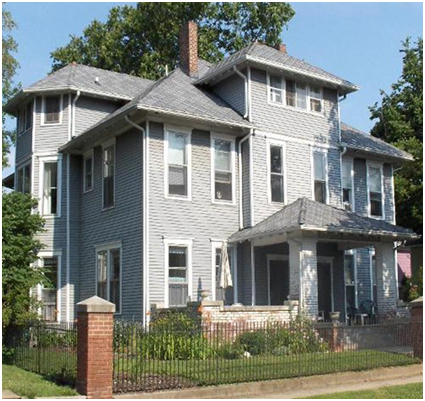

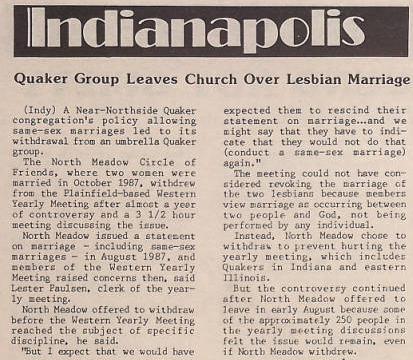
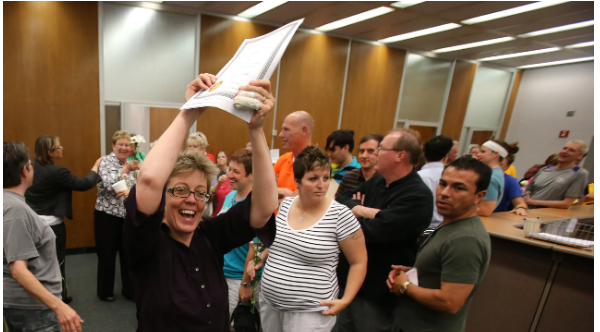
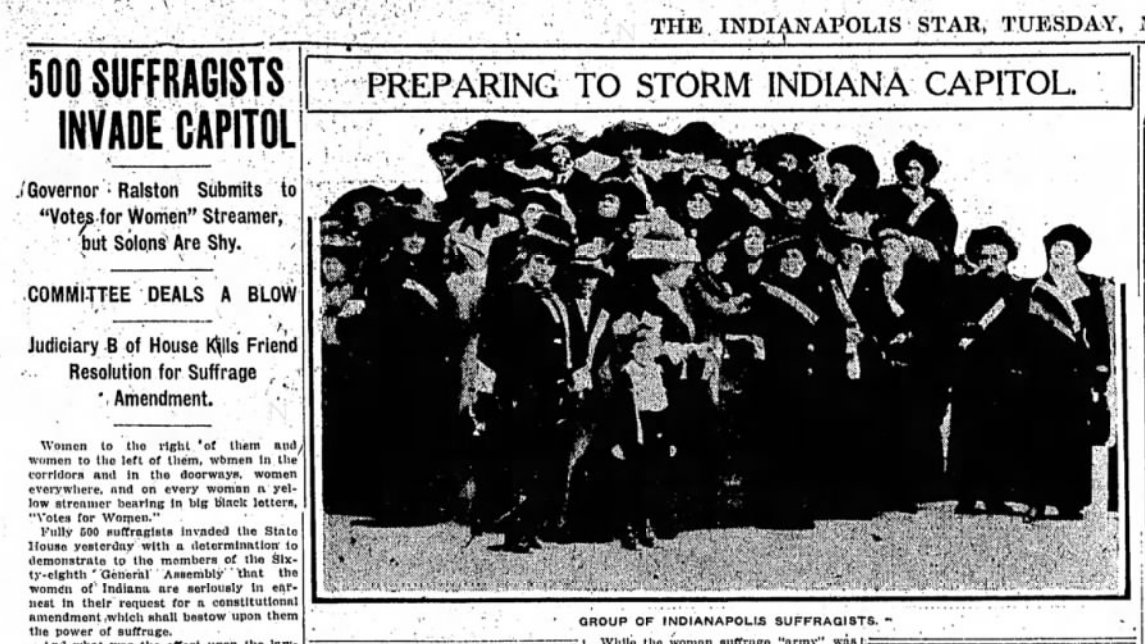
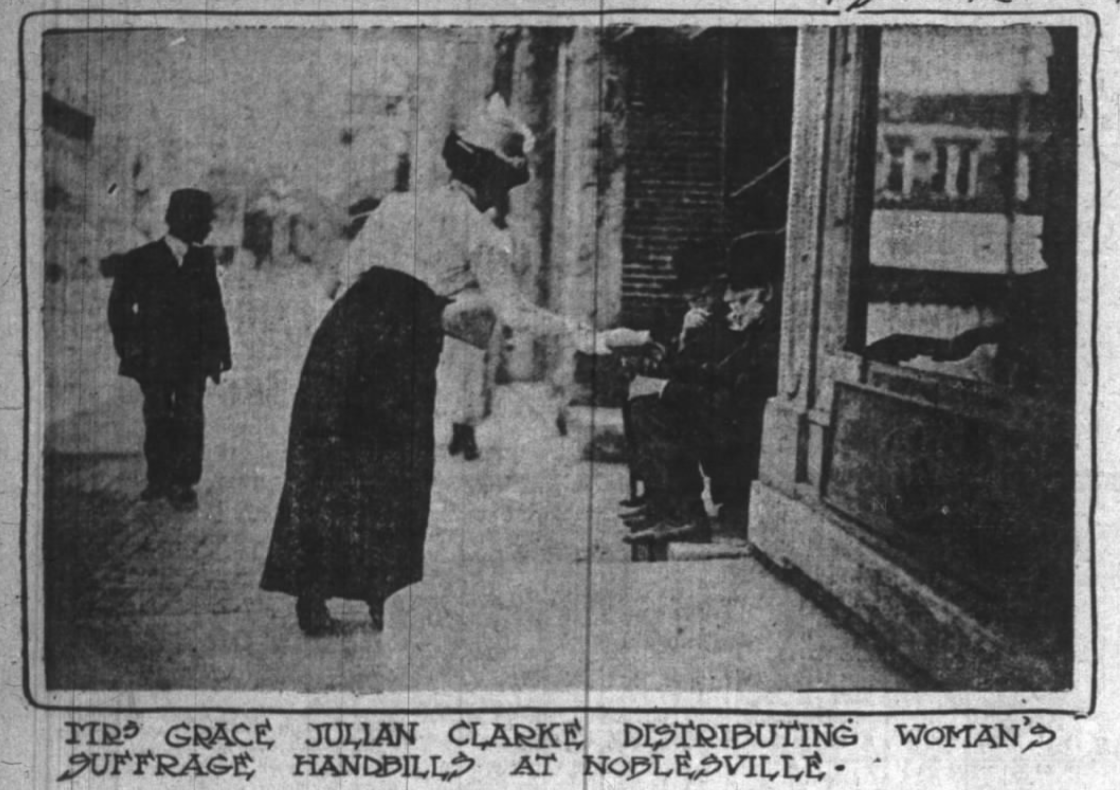
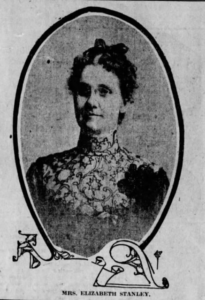
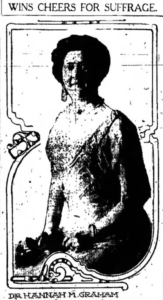
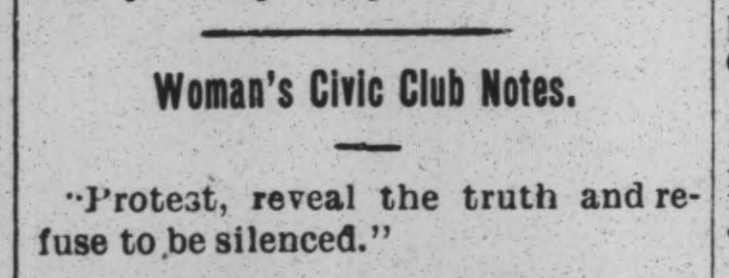
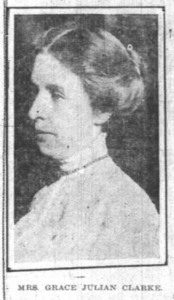
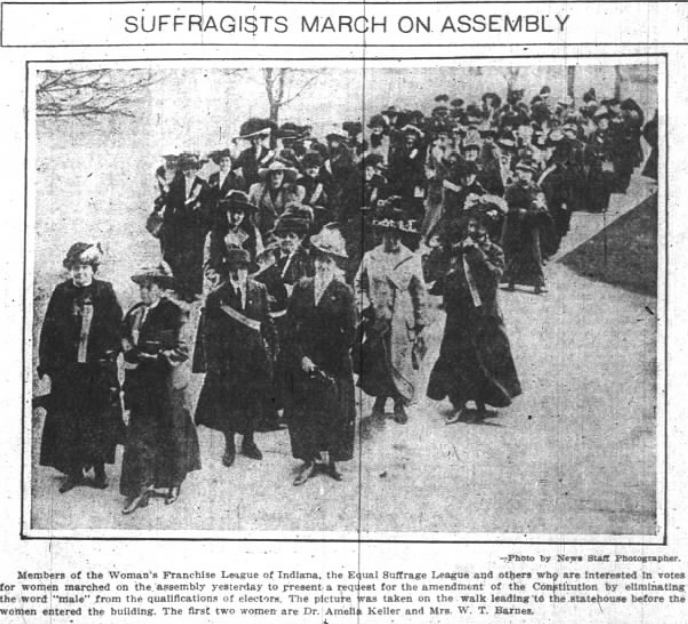
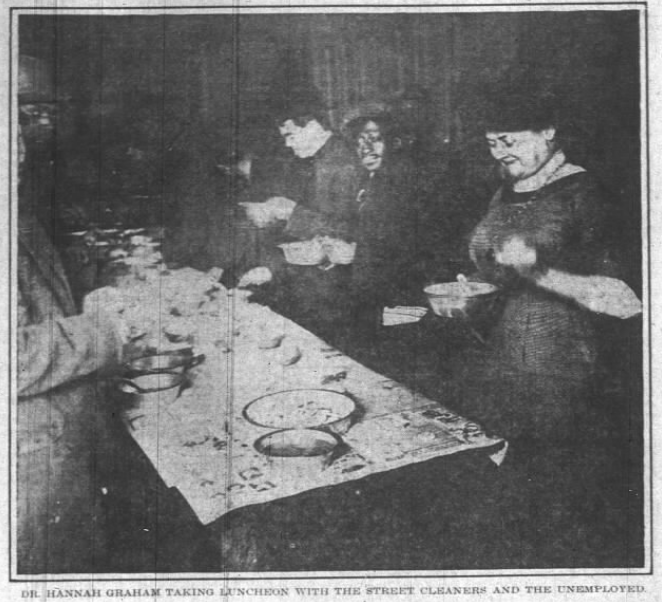
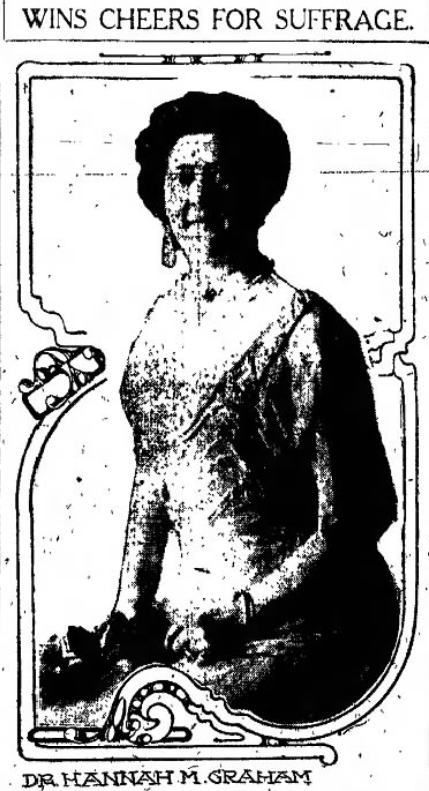
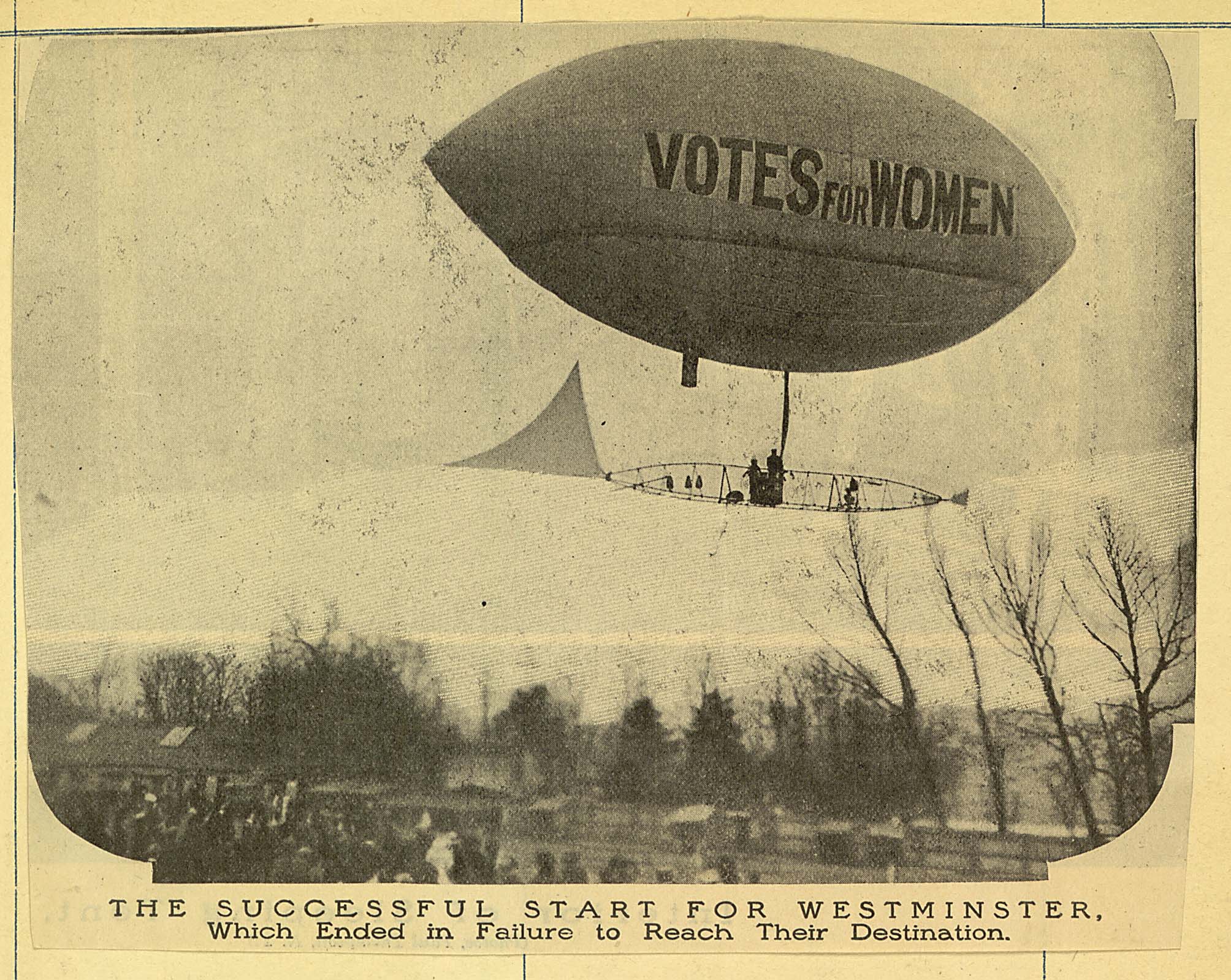
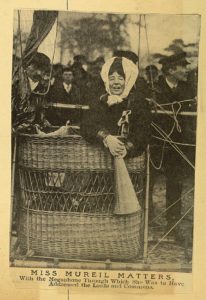

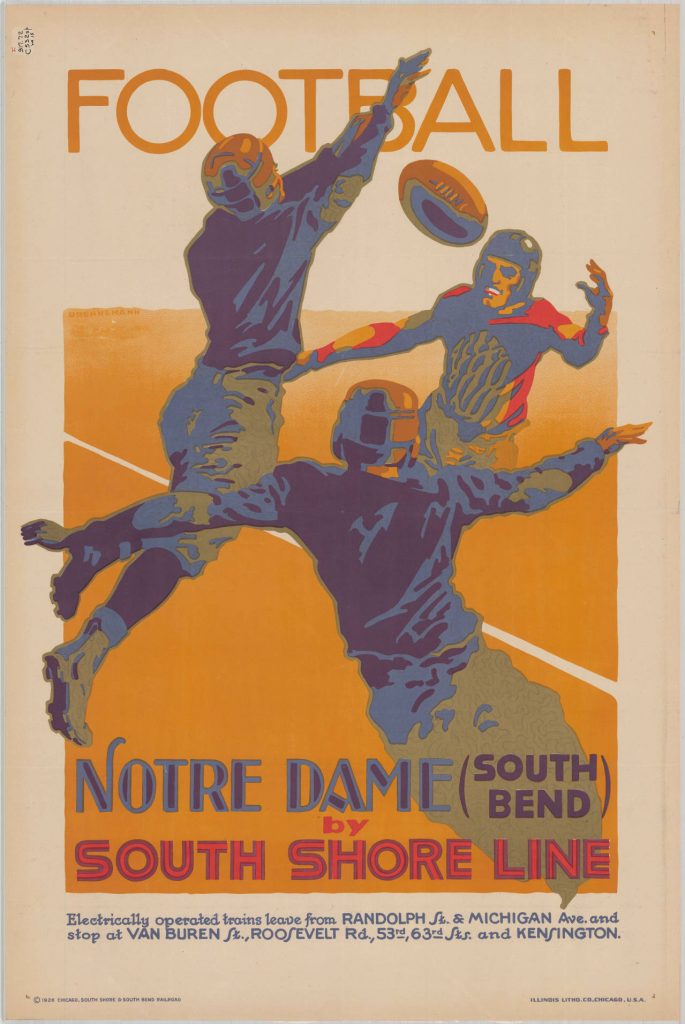
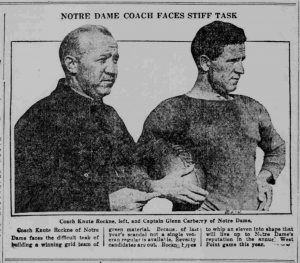
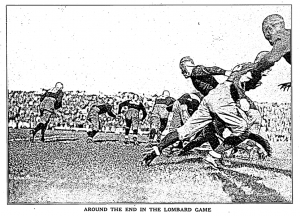
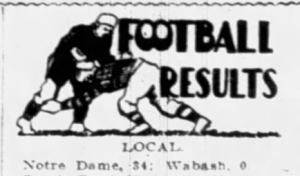
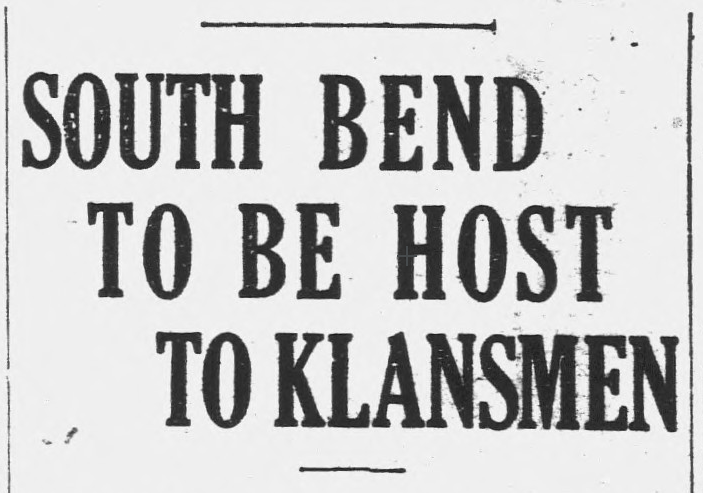
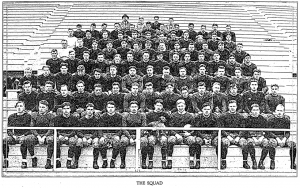
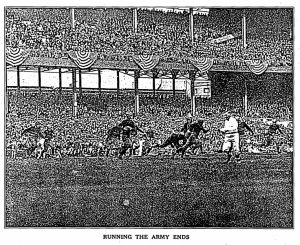
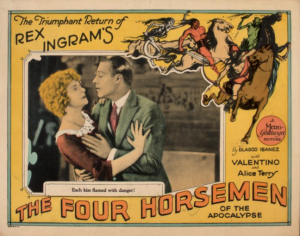
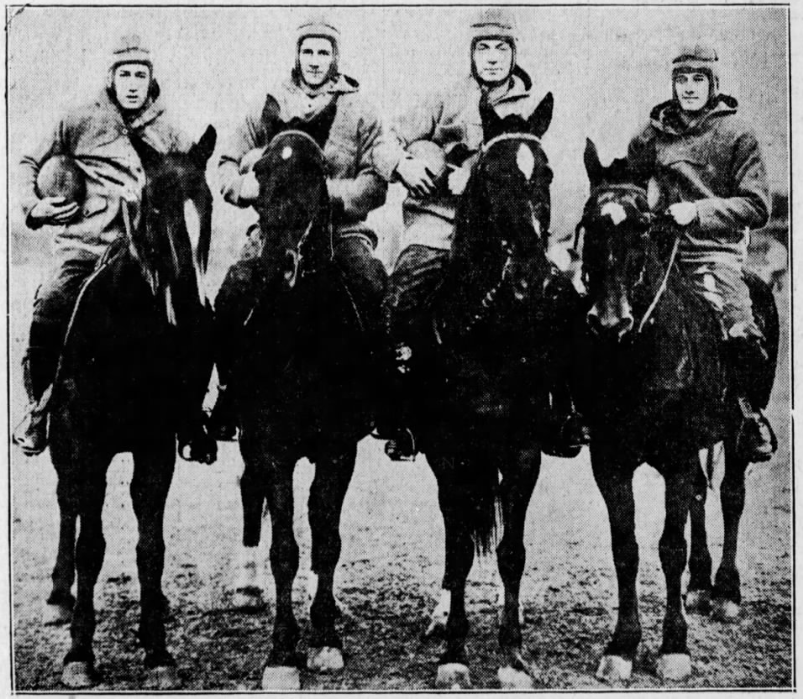
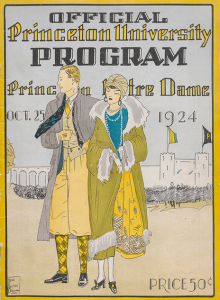
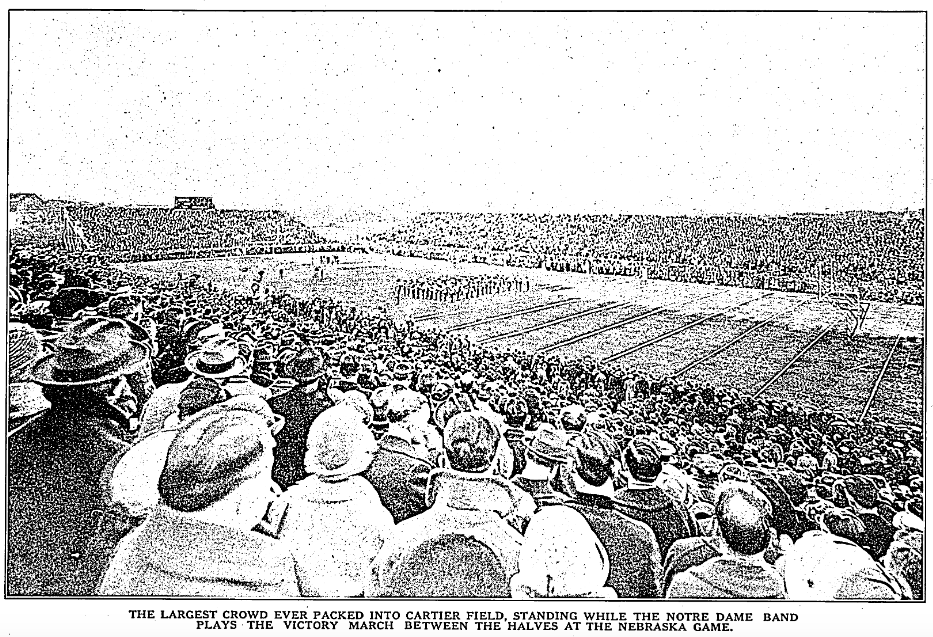
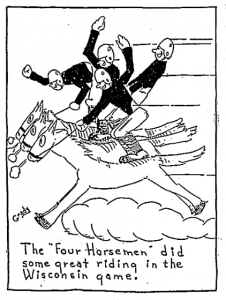
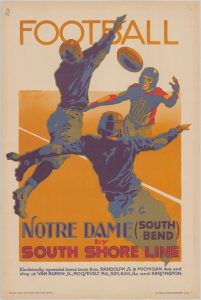
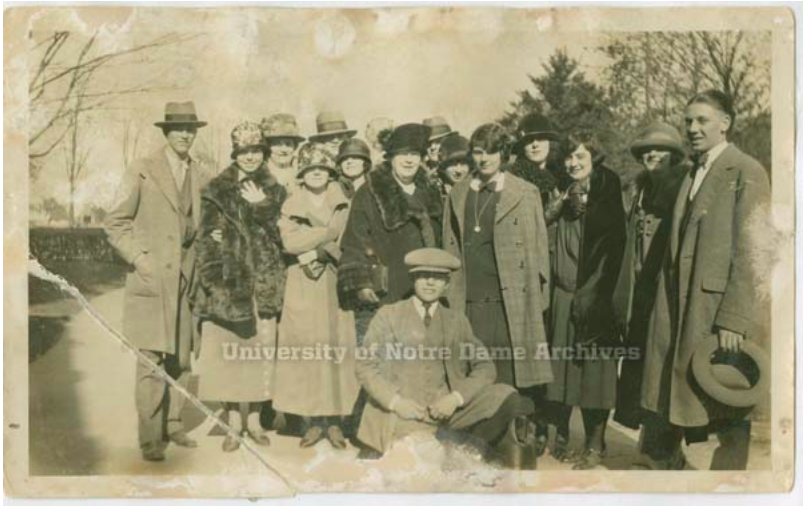
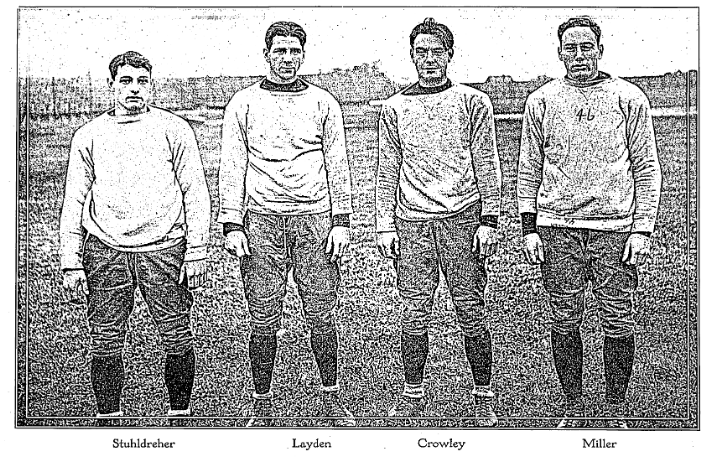
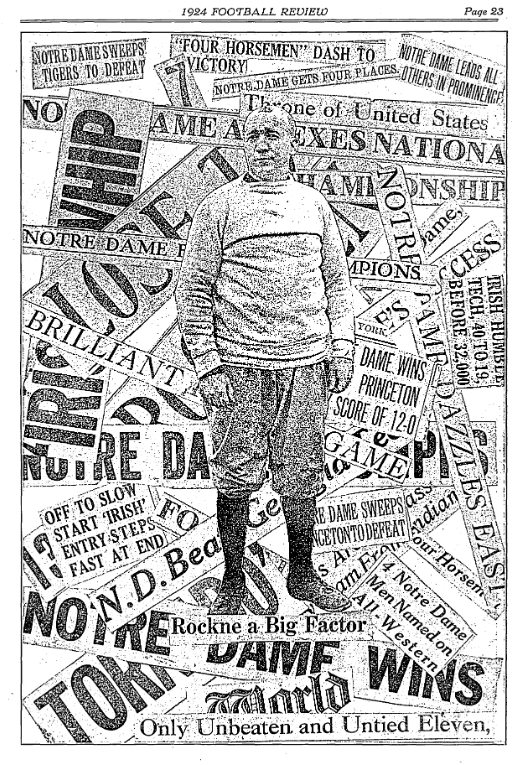
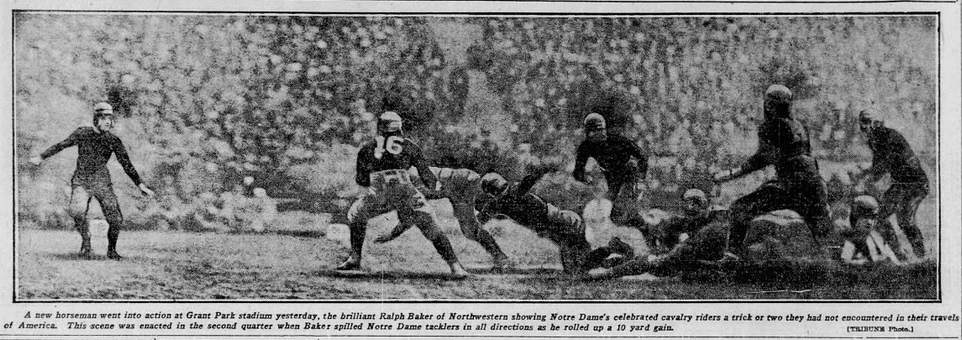
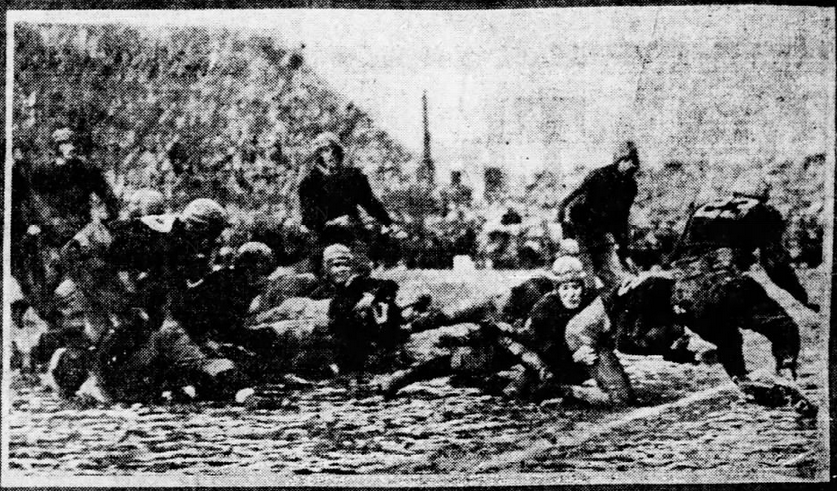
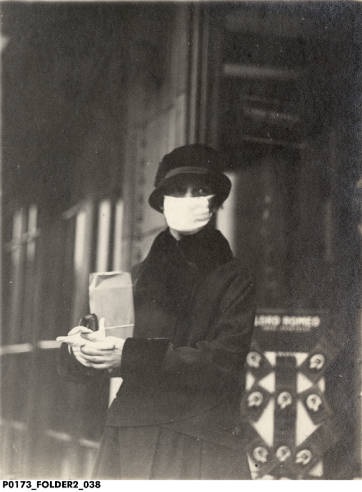
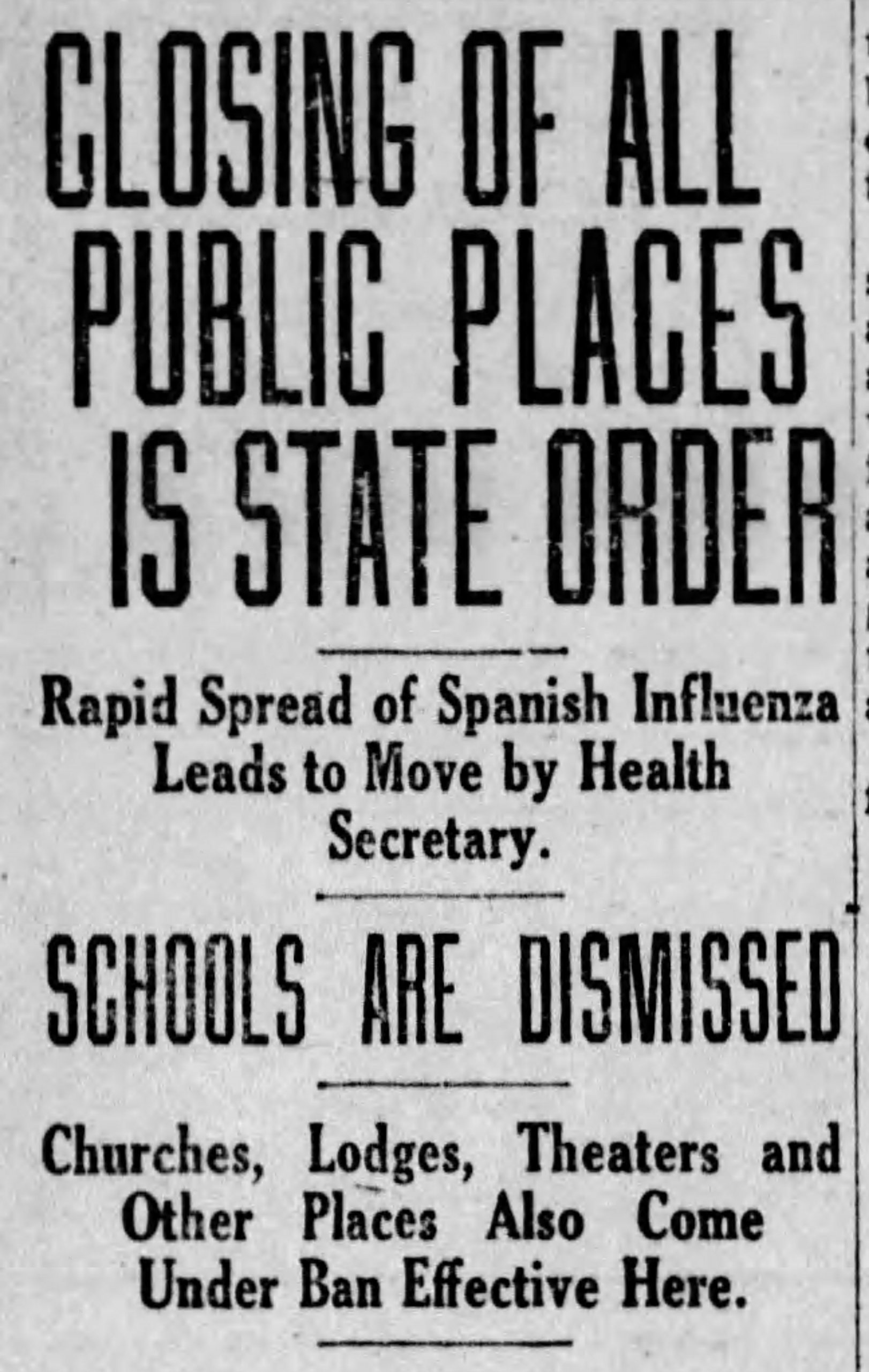
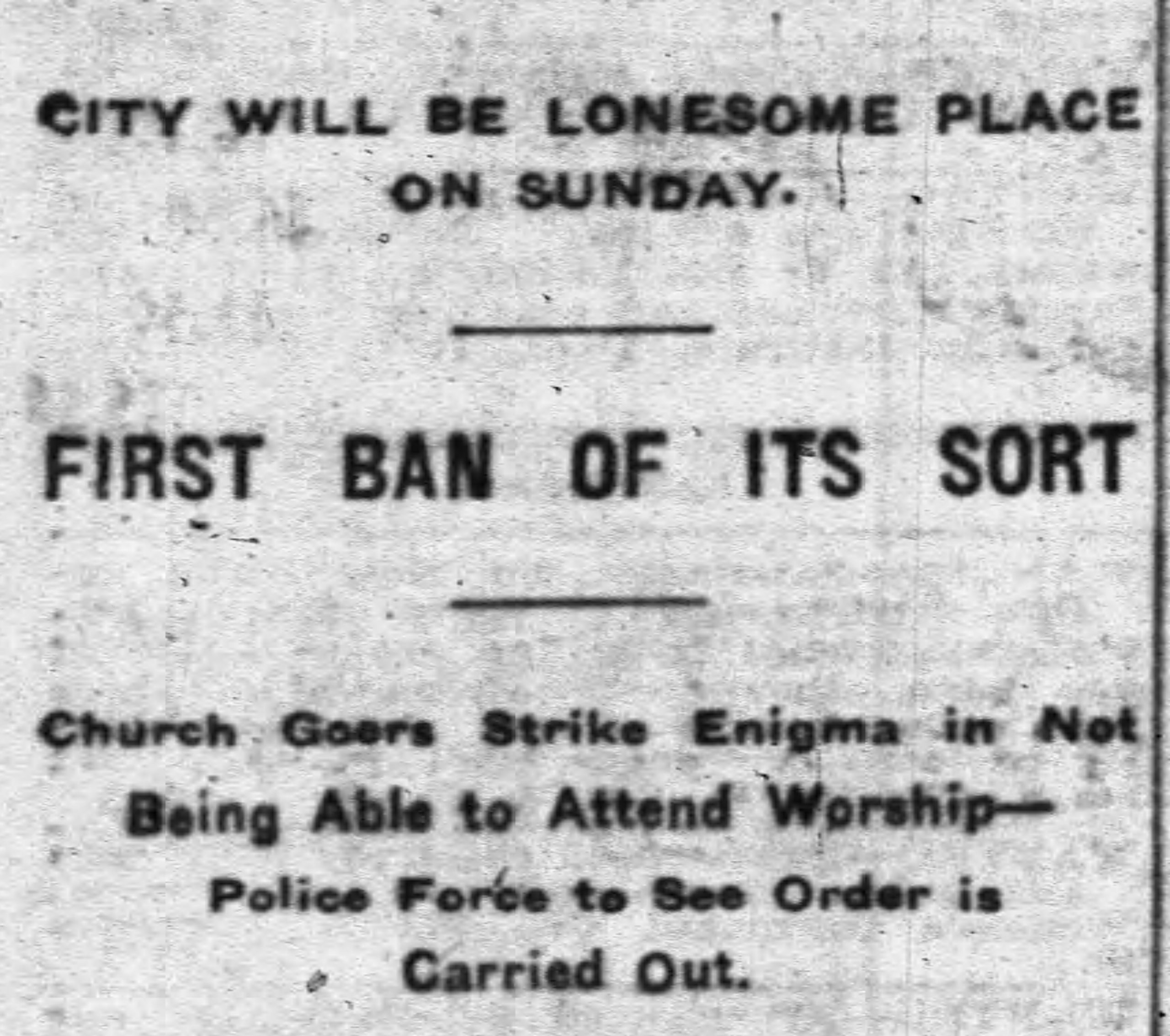


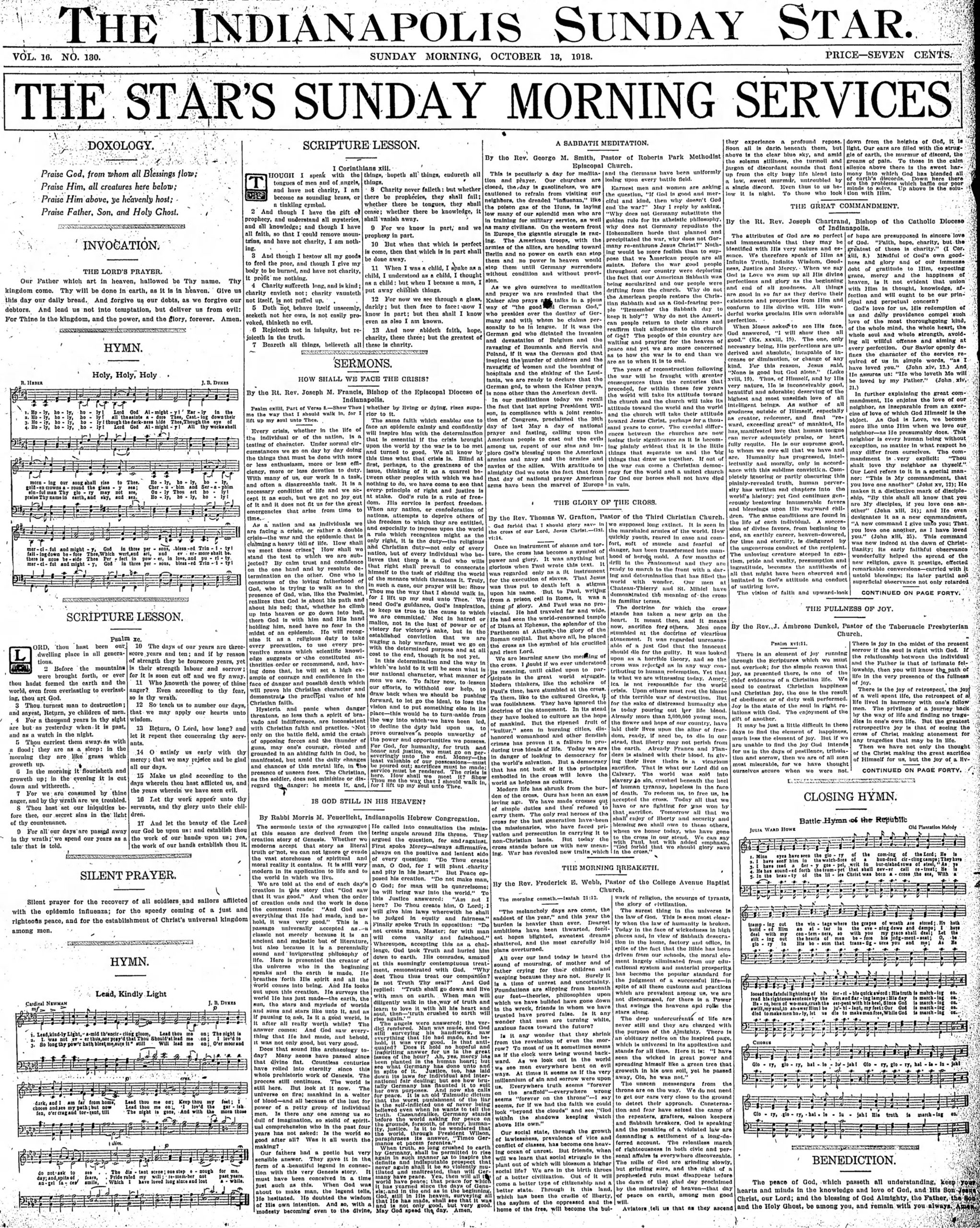
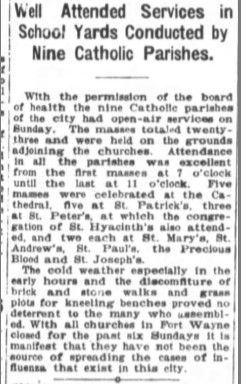
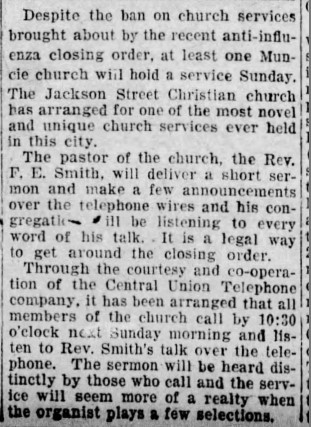
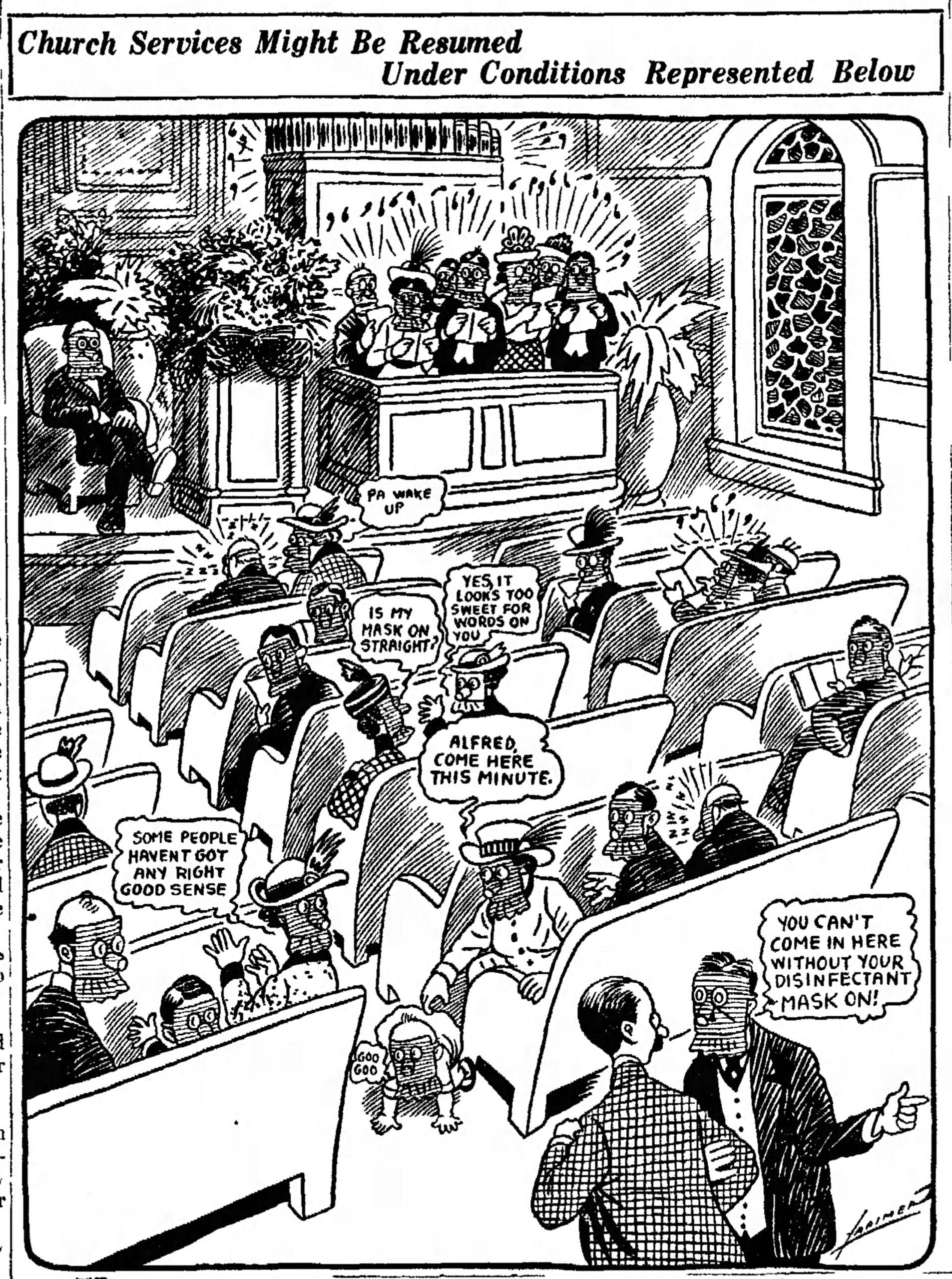
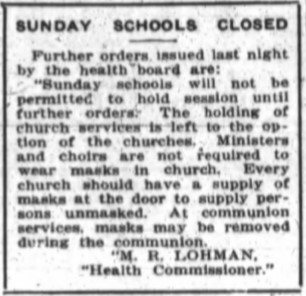
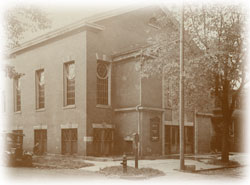
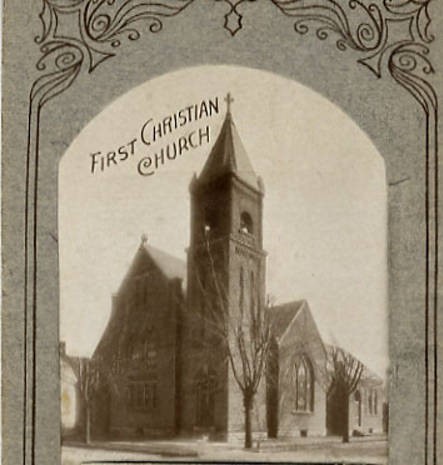
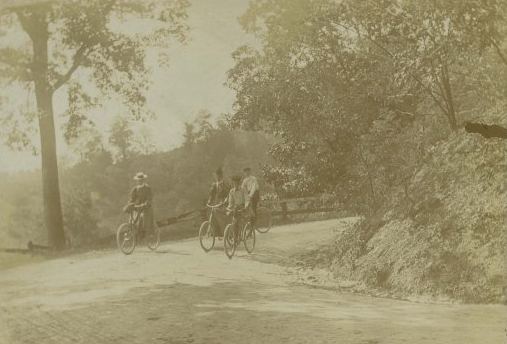
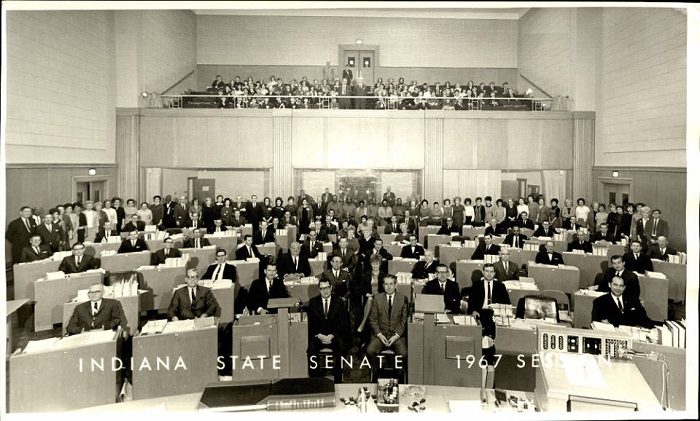
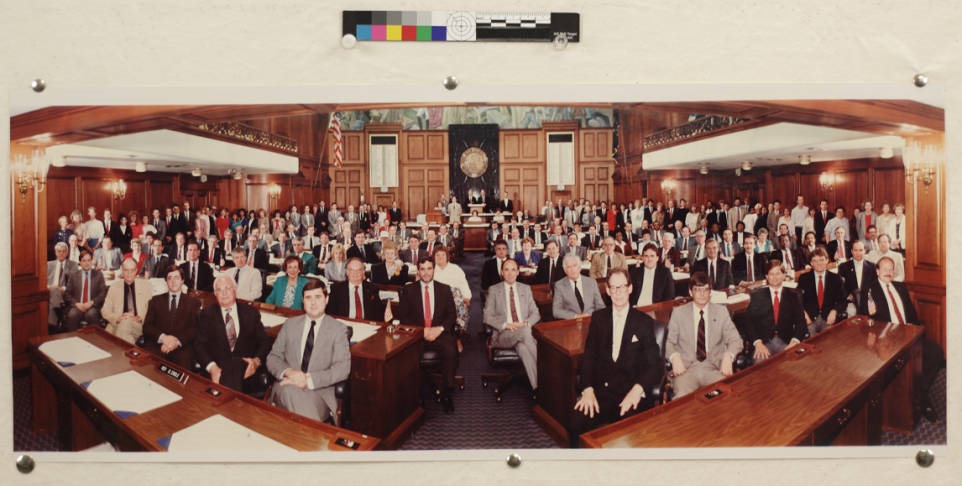
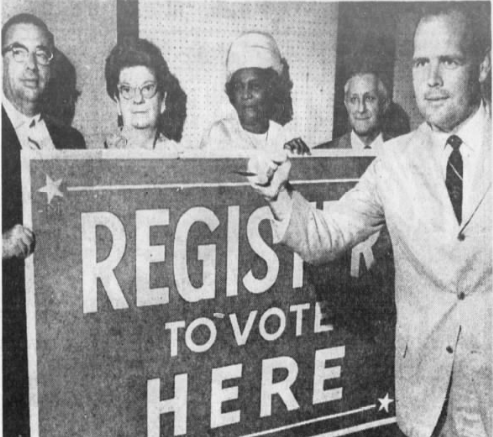
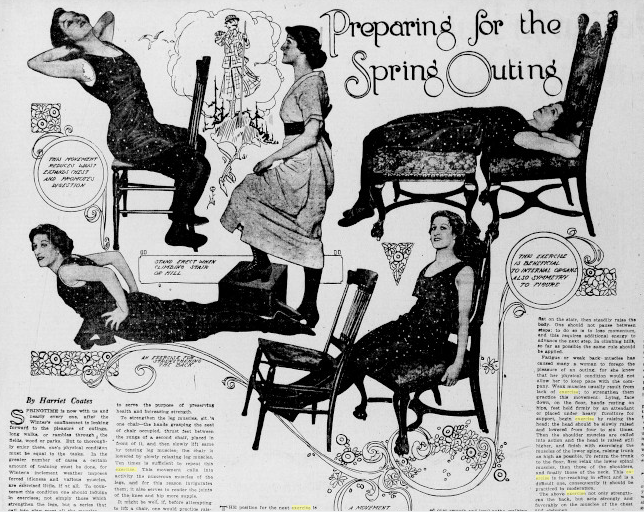




 Many people are looking for ways to channel the anxiety of our current crisis into something healthy and productive. For those of us with green thumbs, this has meant more time in the garden. And there is no better place for us to get some sage advice than from those Hoosier gardeners who came before us. Luckily, some of them shared their wisdom in an early-twentieth century column in the Indianapolis News titled “Of Interest to Farmer and Gardner.”